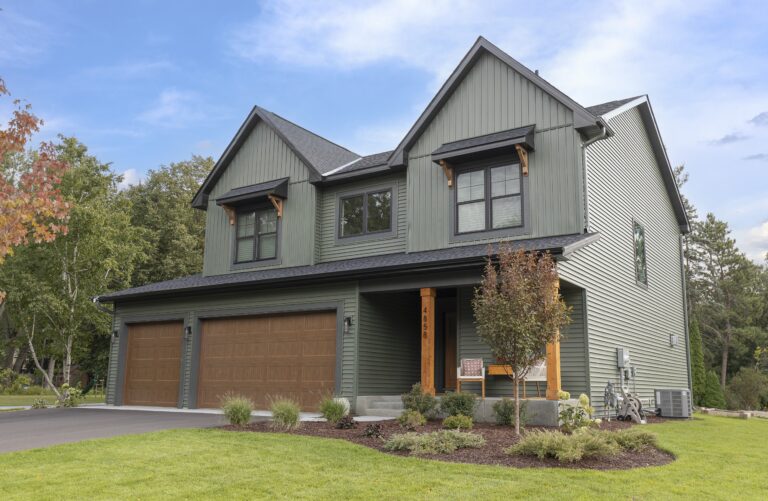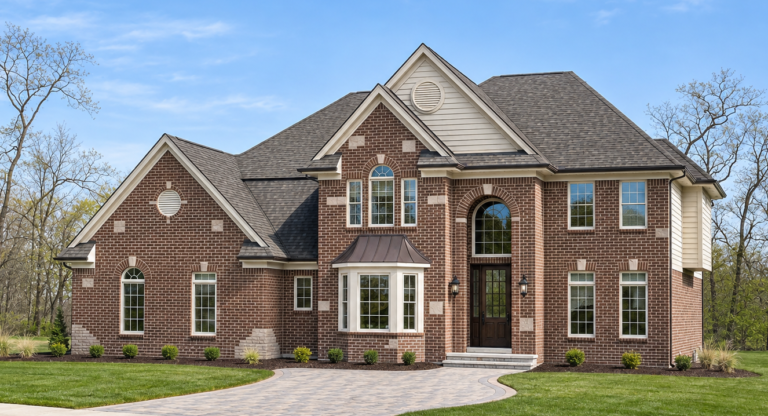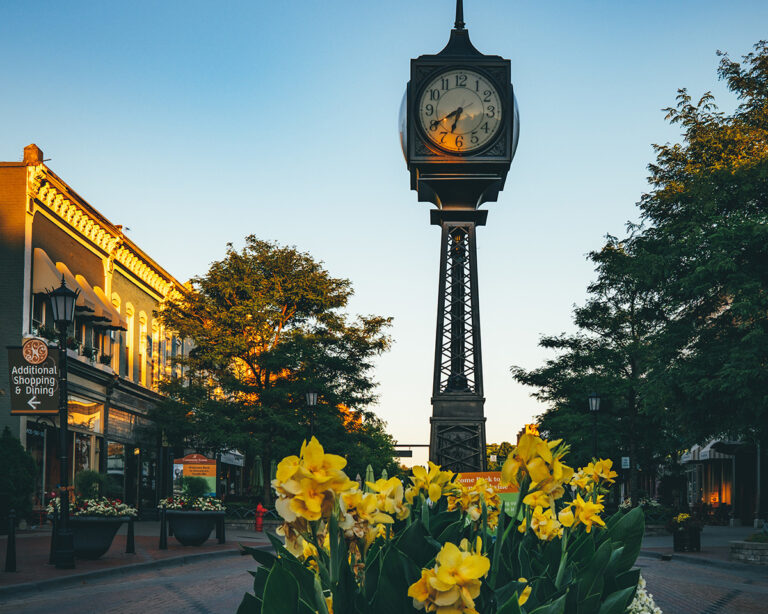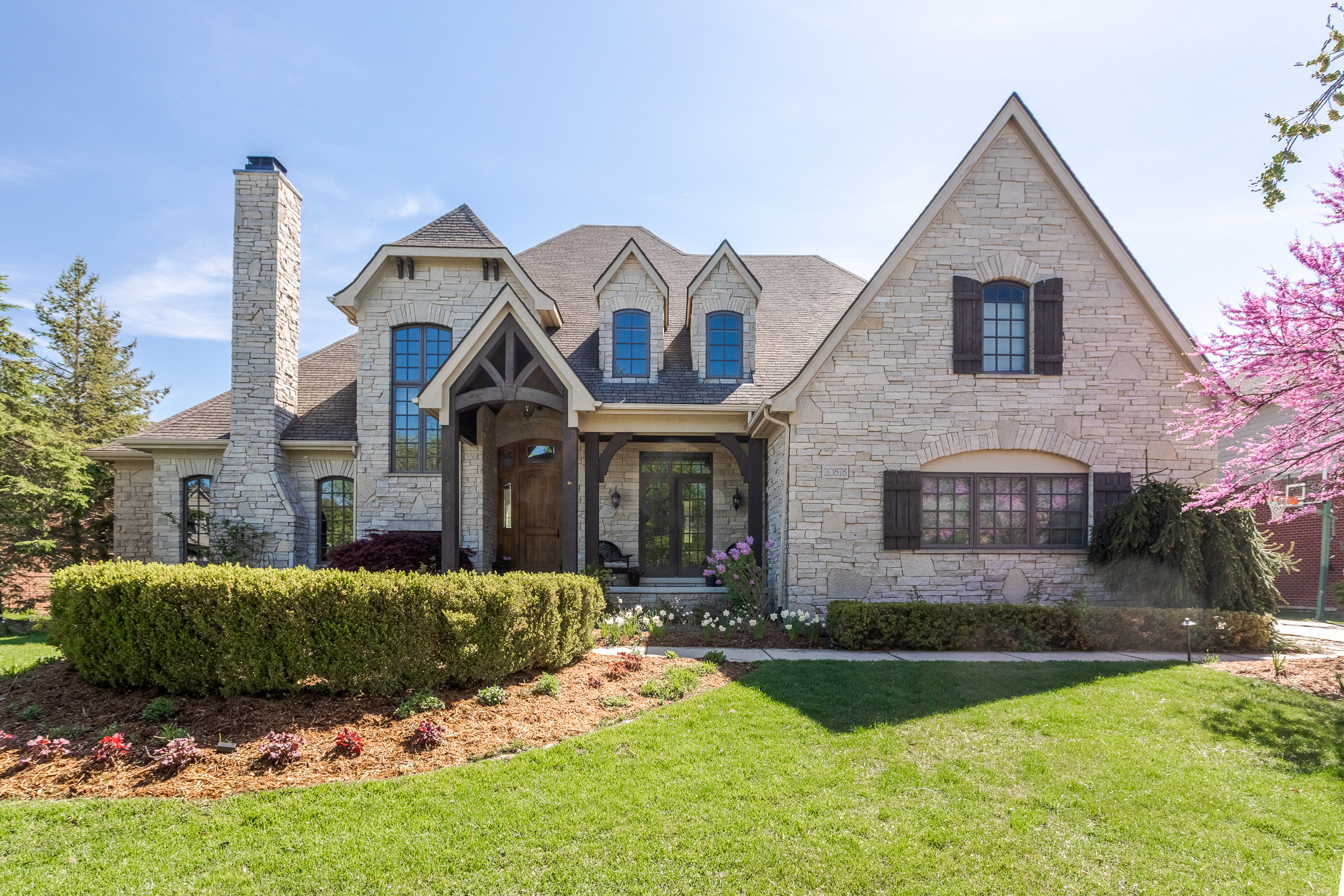
Farmington and Farmington Hills offer homebuyers a variety of housing options, from historic residences near downtown and established subdivisions to luxury properties and newly built homes. For buyers seeking contemporary floor plans, energy-efficient features, updated finishes and fewer immediate renovation projects, new construction can be an appealing alternative to an existing home.
However, purchasing a newly built home involves considerations that may differ from a traditional resale, including builder contracts, upgrade costs, customization options and construction timelines. Understanding these differences can help buyers evaluate new construction opportunities in Farmington and Farmington Hills and make a more informed purchase.
New Construction Homes in Farmington & Farmington Hills: Quick Takeaways
- New construction options vary by location: Buyers interested in the Farmington area can compare opportunities near downtown with single-family developments, detached condominiums and custom construction in Farmington Hills.
- Farmington Reserves offers new homes near downtown: This Windmill Homes community is located in Farmington Hills within approximately one mile of Downtown Farmington and offers single-family homes with semi-custom options.
- The base price may not be the final price: Lot premiums, upgrades, finished basements, landscaping, appliances and other options can significantly increase the total cost of a new home.
- Builder contracts are different: Deposits, financing requirements, change orders, cancellation provisions and construction timelines may differ from a traditional resale purchase.
- New homes should still be inspected: Independent inspections and walkthroughs can identify workmanship issues, incomplete installations or other concerns before closing.
- Compare new construction with established Farmington and Farmington Hills homes: New homes can offer modern layouts and fewer immediate renovations, while established properties may provide larger lots, mature landscaping and more developed surroundings.
Where to Find New Construction Farmington & Farmington Hills Homes
New construction in the Farmington area can include individual building opportunities, smaller residential developments and condominium communities. The City of Farmington and the City of Farmington Hills are separate municipalities, so buyers should confirm where each property is located. A home close to Downtown Farmington may be within Farmington Hills, and a mailing address alone should not be used to establish municipal boundaries.
One example is Farmington Reserves, a Windmill Homes community in Farmington Hills near Downtown Farmington. The development includes ranch, first-floor primary suite and two-story designs with semi-custom options. Its location gives buyers a way to consider new construction while remaining close to downtown restaurants, shops and community activities. Compare the route from the particular homesite rather than assuming every property offers the same walking convenience.
Farmington Hills also offers other approaches to new construction. Hills of Franklin, a Robertson Homes community near Inkster and Thirteen Mile Roads, features luxury detached ranch condominiums. This provides a different option for buyers interested in a standalone home within a condominium community. Review the governing documents to understand exterior maintenance, association fees and the responsibilities that remain with the homeowner.
Buyers may also encounter custom homes being built on individual lots rather than within larger developments. Because availability changes as builders release homesites and complete construction phases, prospective buyers should review current listings and confirm which properties remain available. For buyers specifically seeking the City of Farmington, it is useful to track individual infill opportunities rather than assuming that every development marketed with the Farmington name is located within the city.
Benefits of Buying a New Construction Home
New construction homes offer several advantages for Farmington and Farmington Hills buyers seeking modern features without extensive renovations. Many newly built properties include open-concept living areas, spacious kitchens, dedicated home offices, larger primary suites and flexible spaces designed around today’s lifestyles.
Energy efficiency is another potential benefit. Modern insulation, windows, heating and cooling systems, and energy-efficient appliances may help reduce energy use compared with a similarly sized older home. Actual utility costs depend on the home’s size, construction, equipment and household habits. Depending on the builder and construction stage, buyers may also have opportunities to customize flooring, cabinetry, countertops, fixtures and other interior finishes.
New roofing, plumbing, electrical systems and HVAC equipment can also mean fewer immediate replacement expenses compared to older homes. Additionally, some builders provide warranties covering certain materials, workmanship and mechanical systems, although buyers should carefully review the terms and limitations of their coverage.
New Construction vs. Established Homes in Farmington & Farmington Hills
Farmington and Farmington Hills buyers can compare newly built homes with established properties near Downtown Farmington and in neighborhoods such as Quaker Valley Farms and Woodcreek Village in Farmington Hills. These settings give buyers additional opportunities to explore mature surroundings, traditional architecture and homes whose improvements can be evaluated in person.
Established homes may provide larger or more private lots, mature trees, completed outdoor living spaces and well-developed neighborhood surroundings. New construction, by comparison, offers contemporary designs, modern building materials, customization opportunities and fewer immediate renovation needs. These are general considerations rather than guarantees, so compare the specific lot, layout and condition of each property.
However, newer developments can come with tradeoffs, including smaller lots, unfinished landscaping, higher purchase prices and ongoing construction activity. Established homes may require additional maintenance or updates to major systems.
When comparing properties, buyers should consider location, square footage, lot size, neighborhood amenities, maintenance requirements and overall ownership costs. Neither option is automatically better, and the right choice ultimately depends on the buyer’s budget, priorities and preferred lifestyle.
What Should Buyers Know Before Purchasing a New Construction Home?
Buying a newly constructed home involves several considerations that buyers should understand before signing a purchase agreement.
Understanding the Total Purchase Price
Advertised base prices may not include lot premiums, upgraded finishes, finished basements, landscaping or certain appliances. These additional expenses can significantly increase the final purchase price. Buyers should request a detailed breakdown of standard features, optional upgrades and estimated closing costs before committing to a property.
Compare the model home with the written specifications for the home you intend to purchase. An expanded kitchen, covered outdoor area or upgraded flooring package may contribute to the model’s appeal without being included in the starting price. Identify which features you need and which you would be comfortable adding later.
Builder Contracts and Construction Timelines
Builder purchase agreements often differ from traditional residential contracts, particularly regarding deposits, financing conditions, change orders, cancellation provisions and construction deadlines. Buyers purchasing a completed home may have a more predictable closing timeline, while homes still under construction can experience delays. Reviewing contract terms carefully, with legal guidance when needed, can help buyers understand their obligations and available protections.
Ask when selections must be finalized, how changes will be priced and documented, and who will provide construction updates. Buyers coordinating a home sale or the end of a lease should also consider how a change in the completion schedule would affect their moving plans.
Home Inspections and Builder Warranties
Even newly constructed homes can have workmanship issues, incomplete installations or construction defects. Independent home inspections and walkthroughs can help identify concerns before closing. Discuss inspection access and timing early, and document unfinished items and agreed corrections in writing.
Buyers should also review builder warranties to understand which materials, systems and repairs are covered and for how long. Ask how to submit a service request and which maintenance responsibilities remain with the homeowner. A new home still requires care, even when its major components have not yet experienced years of use.
Property Taxes, Schools, and HOA Requirements
Farmington and Farmington Hills have separate municipal governments, tax structures and services. Buyers should obtain an estimate of future property taxes for the completed home rather than relying on an existing tax bill. A bill associated with a vacant lot or partially completed house may not reflect the cost of owning the finished property.
New developments may also have homeowners or condominium associations with fees, architectural restrictions, maintenance responsibilities and potential assessments. Review the governing documents, budget and services included. A detached condominium may look like a traditional single-family home while carrying different ownership and maintenance arrangements.
Additionally, buyers should verify school assignments directly with the applicable district rather than relying on a mailing address or a development’s marketing materials. Farmington Public Schools provides boundary maps and a street guide, but district coverage and assigned schools should be confirmed for the specific home, especially when the street or homesite is newly created.
Work With a Local Farmington & Farmington Hills New Construction Real Estate Expert
Purchasing directly from a homebuilder can be a complex process, making independent representation particularly valuable. An experienced local Realtor can help buyers compare developments, evaluate pricing, understand included features and upgrade costs, negotiate terms, and navigate the purchasing process.
John Goodman Real Estate brings 55+ years of combined experience helping buyers and sellers throughout Farmington, Farmington Hills and surrounding Metro Detroit communities. Our team understands the differences between the two cities, as well as the area’s new construction options, luxury properties and established neighborhoods.
Whether you’re considering a custom-built home or a new residential development, our experienced Farmington and Farmington Hills Realtors can help you explore available properties and make an informed purchase.
Frequently Asked Questions About New Construction in Farmington & Farmington Hills
Are there new construction homes near Downtown Farmington?
Yes. Farmington Reserves offers new single-family homes in Farmington Hills near Downtown Farmington. Buyers should confirm remaining inventory, the specific property’s municipality and the route to downtown. Individual infill opportunities may also become available as properties are developed and listed.
Is new construction available in Farmington Hills?
Yes. Options include single-family homes, detached condominiums and custom construction, depending on availability. Farmington Reserves and Hills of Franklin illustrate different types of new construction in the city. Confirm current offerings and completion dates before making plans around a particular development.
Should I use a Realtor when buying a newly constructed home?
An independent Realtor can help buyers compare builders, evaluate pricing and included features, coordinate inspections, and navigate purchase terms. Involve your Realtor before registering with a builder or visiting a sales office so representation and any registration requirements can be discussed from the beginning.