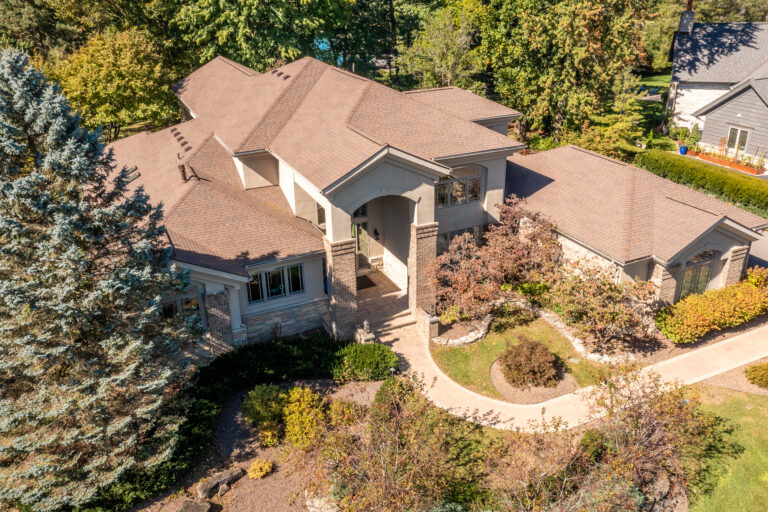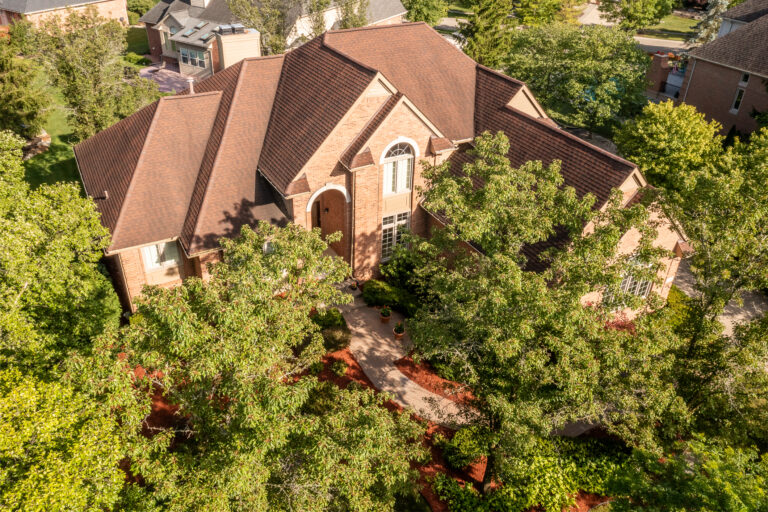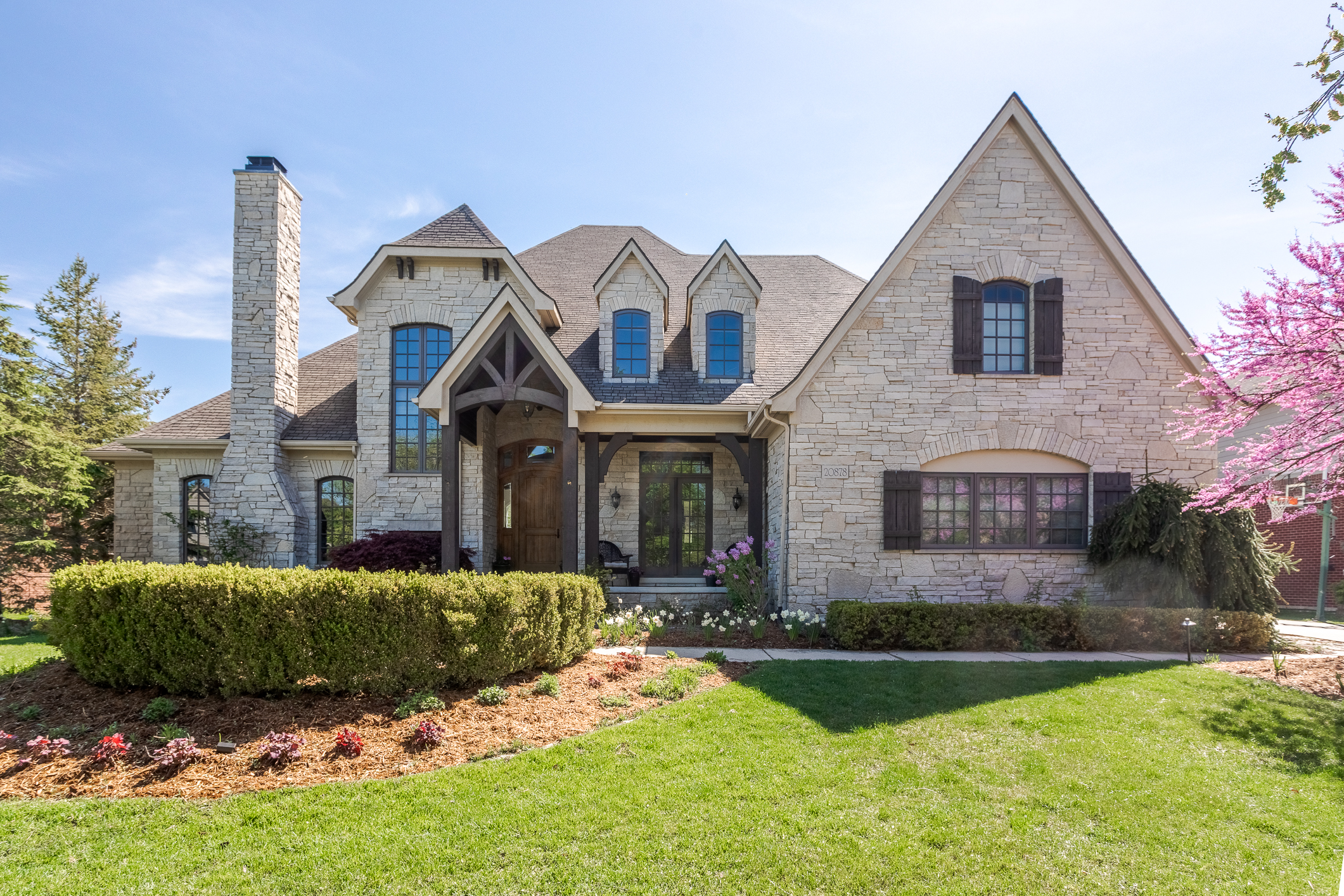
Farmington, Michigan offers an appealing setting for buyers who value architectural character, established neighborhoods, and a connection to downtown. A luxury home here might be a carefully renovated residence with inviting outdoor space and quality finishes, rather than a sprawling estate. Buyers who expand their search into neighboring Farmington Hills can explore additional options, including larger custom homes and properties with wooded surroundings.
The two communities are separate cities, and that distinction matters when comparing homes. Together, they offer different ways to enjoy the Farmington area, from a home near local restaurants and Riley Park to a more private suburban property. This guide explores what buyers should know when considering a luxury home in Farmington, MI, including nearby options in Farmington Hills.
Luxury Homes in Farmington: Quick Takeaways
- Housing options: Buyers can compare renovated homes near downtown, established properties with premium improvements, and larger custom residences in nearby Farmington Hills.
- Location matters: Farmington and Farmington Hills are separate municipalities. Confirm the location of each property rather than treating the names as interchangeable.
- Neighborhoods vary: Downtown Farmington offers a different experience from Farmington Hills neighborhoods such as Green Hill, Oxford Estates, Franklin Fairway, and Farmington Glens.
- Look beyond square footage: Construction quality, renovations, usable yard space, privacy, maintenance needs, and access to everyday destinations all deserve attention.
- Local knowledge matters: Distinctive homes can be difficult to compare, especially when the search includes different neighborhoods, architectural styles, and municipalities.
What Does Luxury Real Estate Look Like in Farmington?
Luxury real estate in Farmington is not defined by one architectural style or a fixed price threshold. For some buyers, it means a beautifully finished home close to downtown. For others, it means more space, custom design, and a substantial lot in the surrounding area.
Depending on the property, buyers may find renovated kitchens, detailed millwork, comfortable primary suites, home offices, finished lower levels, and outdoor spaces designed for entertaining. An established home can also offer features that take years to develop, such as mature trees and landscaping that gives the backyard a sense of separation from neighboring properties.
The quality and usefulness of those features matter. A well-planned kitchen may be more valuable to your daily routine than an additional formal room. A manageable patio with good privacy may suit you better than an extensive yard that requires more upkeep than you want.
Buyers should also consider the relationship between the house and its setting. A thoughtfully renovated home on an established street offers a different ownership experience from a large custom property. The best fit is the one that brings together the location, layout, condition, and responsibilities you are comfortable with.
City of Farmington vs. Farmington Hills for Luxury Buyers
One of the first decisions is whether to focus on the City of Farmington or include nearby Farmington Hills. Although buyers often consider both during the same search, they are distinct communities with different residential settings.
City of Farmington
The City of Farmington can appeal to buyers who appreciate a historic downtown and established residential streets. Living close to downtown may make it easier to walk to restaurants, coffee shops, local stores, and activities around Riley Park and the Sundquist Pavilion.
For luxury buyers, the appeal may come from architectural character, careful renovation, and a location that supports an active downtown routine. A home does not need an especially large lot to offer an enjoyable combination of comfort, design, and convenience.
Evaluate the route to downtown yourself. Sidewalks, road crossings, parking, and the distance from the specific property will influence how often you actually walk. Visit during both quiet periods and busier hours to understand the setting beyond the listing photographs.
Farmington Hills
Farmington Hills provides a broader area in which to compare spacious homes, established subdivisions, and properties with larger or wooded lots. Buyers looking for additional garage space, a more expansive backyard, or a custom floor plan may find it useful to include this neighboring city.
Residential settings vary considerably. Some homes sit within traditional subdivisions, while others have a more individual setting or a stronger connection to surrounding trees and open space. The specific street and lot can be as important as the neighborhood name.
Consider your regular destinations when comparing properties. Access to Downtown Farmington, shopping, recreation, and work will differ across Farmington Hills. A quieter backyard may be worth a longer drive to one buyer, while another would prefer to remain closer to downtown.
Neither city is automatically the better choice. Confirm the property’s municipality and compare the location according to the way you expect to live.
Where Are Luxury Homes Found in the Farmington Area?
Buyers can begin with homes near Downtown Farmington, then compare nearby Farmington Hills neighborhoods if they want additional space or a different setting. Not every property in an established neighborhood belongs to the luxury segment; condition, craftsmanship, improvements, and lot characteristics determine how an individual home compares.
Downtown Farmington and nearby residential streets offer a starting point for buyers who prioritize character and proximity to local destinations. An extensively renovated property may appeal to someone who wants updated interiors while remaining connected to the city’s established surroundings. Compare the home’s improvements and outdoor privacy alongside its location.
Green Hill, in Farmington Hills, offers established homes, mature landscaping, and traditional architecture. Buyers interested in generous living space and a settled neighborhood may want to explore it. Renovation quality and the condition of major systems can vary between listings.
Oxford Estates, also in Farmington Hills, includes ranch and colonial-style homes in an established subdivision setting. Some properties offer pond views, adding another consideration when comparing lots. Buyers should assess the outlook, usable yard space, and maintenance responsibilities associated with each property.
Franklin Fairway is a Farmington Hills neighborhood with custom homes and wooded settings near Franklin Hills Country Club. It may interest buyers who appreciate architectural variety and a more intimate neighborhood. Proximity to a private club should not be confused with included membership or access.
Farmington Glens provides another nearby Farmington Hills option for buyers exploring larger homes and an established residential atmosphere. It is worth comparing when weighing interior space, property condition, neighborhood character, and access to surrounding communities.
These areas provide a starting point rather than a complete inventory of possibilities. Explore Farmington-area luxury homes for sale and confirm the municipality and features of each listing as you narrow the search.
Downtown Living vs. Private Estate Settings
Luxury buyers may find themselves weighing a convenient downtown location against the space and privacy of a larger property. Both can offer an appealing lifestyle, but the benefits are different.
Living Near Downtown
A home near Downtown Farmington can make everyday activities feel more connected to the community. Walking out for coffee, meeting friends for dinner, or spending time around Riley Park may become part of your regular routine.
The value of that location depends on how often you will use it. If you enjoy local events and prefer a manageable property, a smaller lot may be a comfortable tradeoff. Review parking, storage, neighboring homes, and outdoor space to make sure the property works beyond its proximity to downtown.
A well-designed residence can provide a luxurious living experience without an especially large footprint. Thoughtful room arrangements and quality improvements often matter more than the number of rooms.
Private Estate Settings
Buyers who want more separation from neighboring homes may prefer a larger property in the surrounding Farmington Hills market. Additional land can offer space for landscaping, outdoor gatherings, recreation, or simply a quieter view from the kitchen window.
Privacy needs to be evaluated in person. Consider neighboring windows, nearby roads, changes in elevation, and how the property will feel when deciduous trees lose their leaves. A wooded lot is not necessarily private in every season.
If you hope to add a pool, fence, or expanded patio, review the property’s limitations before including those projects in your plans. The amount of land and the amount of usable space are not always the same.
Established Estates vs. Newer Luxury Homes
An established home and a newer residence can each offer advantages. Buyers should compare the quality, condition, and functionality of the property rather than assuming one age category is inherently better.
Established Luxury Homes
Established properties can provide mature landscaping, distinctive architectural details, and a neighborhood whose character is already apparent. Completed gardens, outdoor living areas, and developed trees can give a home a comfortable feel from the day you move in.
The renovation history deserves close attention. Some homes have been comprehensively updated, while others have received primarily cosmetic improvements. New flooring and fresh paint may improve presentation without addressing an aging roof, windows, or mechanical equipment.
Ask what work was completed, when it occurred, and what records are available. Understanding the remaining projects helps you compare a renovated property with one that will require additional investment.
Newer Luxury Homes
When available, newer construction may appeal to buyers seeking current layouts, recent mechanical systems, and contemporary finishes. A newer property may also offer dedicated office space, larger kitchen gathering areas, and technology incorporated into the original design.
Look carefully at what is included. Landscaping, window treatments, patios, and finished lower levels can add to the cost of making a home fully ready for your needs. A newly completed interior does not necessarily mean the entire property is finished.
Craftsmanship matters at every age. A carefully renovated older home may function better for you than a newer property with a less practical layout, while another buyer may prefer the convenience of more recent construction.
What Should You Evaluate When Buying a Farmington Luxury Home?
Luxury homes often include specialized features and improvements that require a closer review. Evaluating the entire property helps you understand its appeal, condition, and ongoing ownership requirements.
Some of the most important factors to consider include:
- Location and municipality: Confirm whether the home is in Farmington or Farmington Hills, and compare access to downtown, shopping, recreation, and work.
- Lot size and privacy: Assess usable space, topography, drainage, neighboring properties, and seasonal changes in landscaping.
- Construction quality: Look at materials, workmanship, architectural details, and whether the layout supports your daily routine.
- Renovation history: Ask about the timing, scope, and documentation of significant improvements.
- Roof and mechanical systems: Review the condition of roofing, heating and cooling equipment, plumbing, electrical systems, and other major components.
- Finished lower levels: Evaluate ceiling height, natural light, moisture concerns, and the practicality of the space.
- Outdoor amenities: Pools, irrigation, retaining walls, patios, and extensive landscaping may involve additional maintenance and future replacement costs.
- Garage capacity: Consider everyday parking, storage, guest vehicles, and room for equipment or hobbies.
- HOA rules and fees: Where an association applies, understand the costs, restrictions, services, and planned projects.
- Property taxes: Obtain an estimate appropriate to your purchase rather than assuming the seller’s current tax bill reflects your future cost.
- School assignment: Verify the district and assigned schools directly for the specific property address.
- Future maintenance: Budget for the size and complexity of the home and grounds, including any specialty systems.
- Comparable sales: Account for meaningful differences in location, condition, lot characteristics, and improvements when evaluating the asking price.
These considerations help you look beyond an attractive presentation and understand what the home will require after closing.
Why Luxury Homes Can Be More Difficult to Price
Luxury properties can be challenging to compare because their most distinctive features are not fully reflected in basic listing statistics. Two homes with similar square footage may differ substantially in craftsmanship, renovation quality, privacy, and location.
For example, a thoroughly updated residence near Downtown Farmington may appeal to a different buyer than a larger custom home in Farmington Hills. The first may offer greater convenience for a downtown routine, while the second provides additional space and a different outdoor setting.
Even within one neighborhood, lot position and maintenance history can create meaningful differences. Price per square foot can provide context, but it does not fully capture those details. Automated estimates may also miss improvements that are not clearly reflected in public records.
Recent comparable sales remain important, but they should be evaluated alongside the property’s condition and the alternatives currently available. Where similar sales are limited, understanding the differences becomes especially valuable when developing an offer.
The Farmington Luxury Lifestyle
The appeal of the Farmington community extends beyond the homes themselves. Buyers can enjoy an established downtown while also having access to the shopping, recreation, and employment destinations throughout the surrounding area.
Downtown Farmington offers places to eat, shop, and meet friends. Riley Park and the Sundquist Pavilion provide a central gathering place, with activities that include the farmers market, music, and seasonal community events. For buyers who value this setting, proximity to downtown may carry as much weight as an extra room or a larger garage.
Nearby Farmington Hills adds outdoor options such as Heritage Park, where trails and the Nature Center provide opportunities to spend time outside. Shopping and everyday services along Grand River Avenue and Orchard Lake Road can also be part of a buyer’s regular routine.
Access to I-696 and M-5 can be useful for travel across Metro Detroit. Actual convenience depends on the property’s location and your destination, so test the routes you expect to use rather than relying only on mileage.
Schools may also influence the search. Farmington Public Schools provides boundary maps and a street guide, but buyers should confirm district coverage and school assignments for each address directly. A neighborhood name or mailing address alone is not enough to establish enrollment details.
How to Approach Buying a Luxury Home in Farmington
Start by deciding what you want the property to make possible. That could mean walking downtown more often, having a comfortable home office, entertaining outdoors, or finding a layout that works well for the next stage of your life.
Then determine whether your search should focus on Farmington or include Farmington Hills. A clear location preference can make the process more productive, but it is also useful to tour different settings before deciding what matters most.
As you evaluate individual homes:
- Compare current listings with relevant recent sales.
- Review construction quality and major systems alongside decorative finishes.
- Evaluate the street, lot, neighborhood, and everyday travel routes.
- Arrange inspections appropriate to the home’s features and equipment.
- Review association documents where applicable and investigate planned improvements.
- Consider maintenance, renovation costs, and the time required to manage the property.
- Develop an offer strategy based on the individual home and competing options.
A focused search makes it easier to recognize a property that meets your priorities and to understand which compromises you are comfortable making.
Work With a Farmington Luxury Real Estate Expert
Buying a luxury home in the Farmington area requires an understanding of individual properties and the differences between local neighborhoods. Downtown proximity, municipality, lot characteristics, improvements, and maintenance needs can all influence the decision.
John Goodman Real Estate helps buyers and sellers throughout Farmington, Farmington Hills, and the surrounding communities. Our team can help you compare locations, arrange private showings, review comparable sales, and understand how a property fits within the local market.
From developing an offer strategy and negotiating terms to coordinating inspections and preparing for closing, we provide guidance throughout the purchase process.
If you’re considering a luxury home in Farmington, our experienced Farmington Realtors can help you explore the homes and neighborhoods that fit your goals. Contact John Goodman Real Estate to discuss what you’re looking for and schedule a private showing.