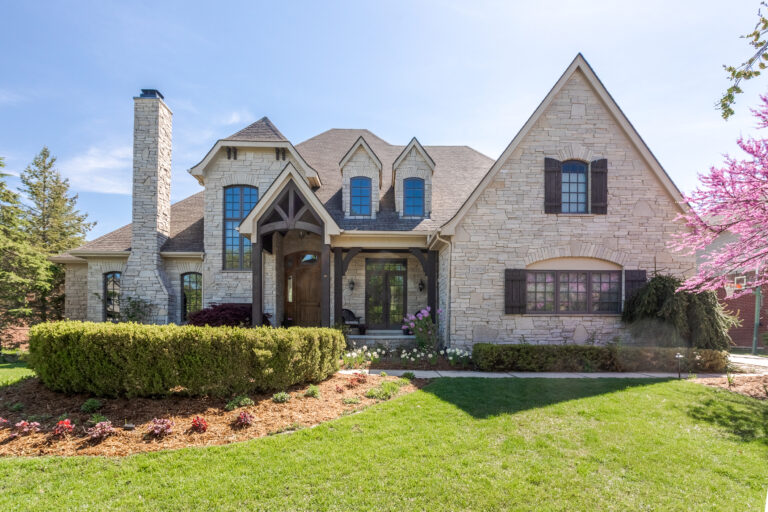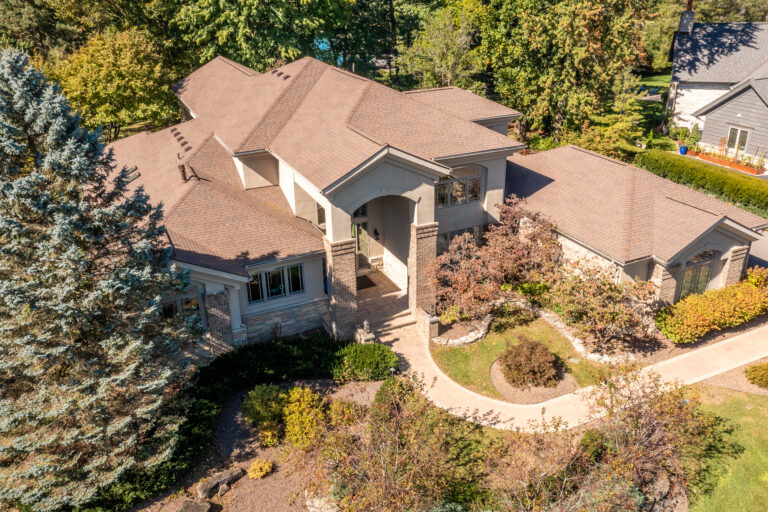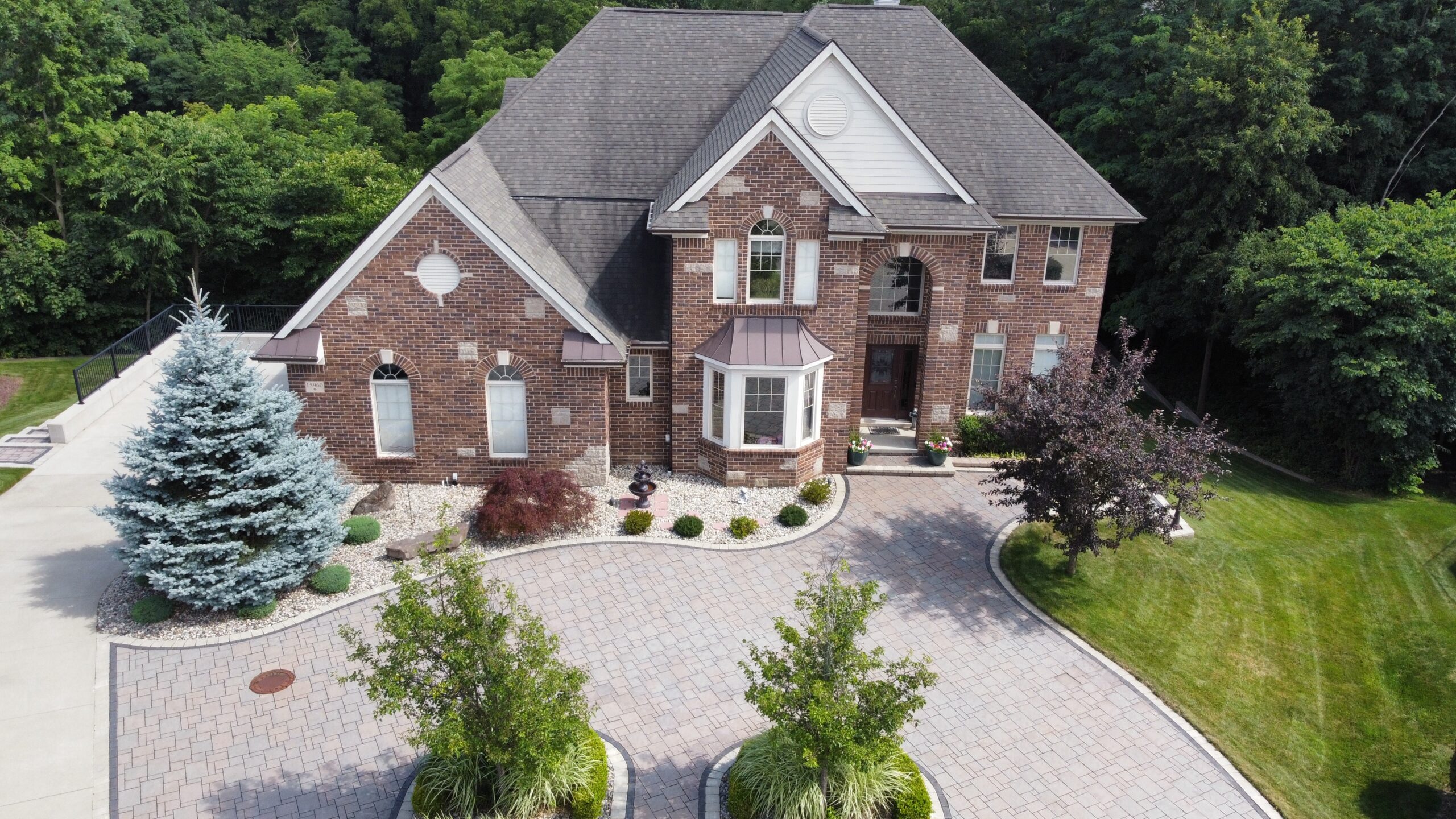
Northville is one of Metro Detroit’s most desirable communities, combining an inviting downtown, established neighborhoods, highly regarded schools, parks, and convenient access to surrounding employment centers. It offers a setting that feels quieter and more residential than a major city while still keeping residents connected to Novi, Plymouth, Livonia, Ann Arbor, and Detroit.
So, is Northville, MI a good place to live? For buyers who value community character, attractive neighborhoods, recreational opportunities, and long-term residential appeal, the answer is often yes. However, Northville may not be the right fit for every household. Home prices can be higher than in some nearby communities, property taxes and association costs vary, and many daily trips still require a car.
Before exploring homes for sale in Northville, MI, it helps to understand both the advantages and the potential tradeoffs of living here.
Is Northville, Michigan a Good Place to Live?
Northville is a good place to live for buyers seeking a polished suburban environment with a strong sense of community. The area is especially appealing to people who want access to parks, local events, restaurants, shopping, and residential neighborhoods without giving up proximity to the rest of Metro Detroit.
Living in Northville can provide:
- An active and walkable downtown district
- A wide selection of established and newer neighborhoods
- Access to parks, trails, and outdoor recreation
- Highly regarded public schools
- Convenient routes to nearby business and employment centers
- A mix of single-family homes, condominiums, townhomes, and luxury properties
The right fit ultimately depends on your budget, preferred home style, commute, school priorities, and expectations for daily life.
Pros of Living in Northville, MI
A Charming and Walkable Downtown
Downtown Northville is one of the community’s most recognizable features. Historic architecture, locally owned businesses, restaurants, cafés, shops, and public gathering spaces create a traditional downtown atmosphere that many suburbs do not offer.
Residents can enjoy a meal, meet friends for coffee, attend a community event, or browse local businesses without traveling to a large shopping center. Buyers who live near downtown may also be able to walk or bike to many of these destinations.
Northville’s downtown helps give the community its own identity. Rather than feeling like a collection of disconnected subdivisions, the area has a recognizable center where residents can gather throughout the year.
Attractive and Varied Neighborhoods
Northville real estate includes a broad range of neighborhood styles. Buyers can find historic homes near downtown, established subdivisions with mature landscaping, condominium communities, golf-course properties, newer construction, and luxury homes on larger lots.
Popular Northville-area neighborhoods include:
- Bella Vista
- Highland Lakes
- Lexington Commons
- Montcaret
- Northville Colony Estates
- Northville Commons
- Northville Hills Golf Club
- Northville Ridge
- Steeplechase of Northville
- Stonewater
- The Enclave
- The Villas at Northville Hills
- Winchester Village
- Woodlands of Northville
- Woods of Edenderry
Each neighborhood offers a different combination of location, architecture, lot size, amenities, association rules, and proximity to downtown. Buyers should compare individual communities rather than viewing Northville as one uniform housing market.
You can explore more options through the John Goodman Real Estate Northville neighborhood directory.
Highly Regarded Schools
Access to Northville Public Schools is a major consideration for many homebuyers. The district is known locally for its academic programs, extracurricular opportunities, athletics, and community involvement.
School assignments should still be confirmed before purchasing a property. A Northville mailing address does not automatically guarantee that a home is served by a particular school or district. Boundaries can differ between nearby streets and may change over time.
Buyers should verify the assigned schools directly with the district rather than relying only on a listing description or third-party real estate website.
Parks, Trails, and Outdoor Recreation
Northville provides convenient access to parks, playgrounds, walking paths, sports facilities, and natural areas. One of the best-known destinations is Maybury State Park, which offers trails and year-round outdoor recreation in a wooded setting.
Neighborhood parks and local recreation programs also give residents options for sports, fitness, youth activities, and community gatherings. These amenities are especially valuable for buyers who want suburban living without feeling disconnected from nature.
For current park information, trails, seasonal conditions, and recreation rules, residents can consult the official Michigan Department of Natural Resources page for Maybury State Park.
A Strong Community Atmosphere
Northville has the type of community calendar that encourages residents to spend time locally. Seasonal celebrations, markets, outdoor activities, downtown events, and recreation programs help create opportunities for neighbors to connect.
This community-oriented atmosphere is one reason Northville attracts buyers at different stages of life, including first-time buyers, growing households, professionals, empty nesters, and retirees.
Convenient Access to Surrounding Communities
Northville is well positioned for people who regularly travel throughout western Metro Detroit. Depending on where they live and work, residents can reach Novi, Plymouth, Livonia, Farmington Hills, Canton, and other nearby communities without having to live in a more densely developed area.
Access to major roads and nearby freeways also makes Northville a practical home base for many regional commuters. Travel times can vary considerably, however, especially during peak hours or road construction.
Cons of Living in Northville, MI
Home Prices Can Be Higher
Northville’s popularity, limited inventory, school reputation, and housing quality can contribute to higher home prices than buyers may encounter in some surrounding communities.
Entry-level options do exist, particularly among condominiums, townhomes, and smaller established houses. However, buyers looking for updated single-family homes, larger lots, newer construction, or properties near downtown may face more competition and a higher purchase price.
It is important to establish a realistic budget before beginning a search and to account for more than the listing price.
Property Taxes and Ownership Costs Vary
Property taxes can differ based on the home’s municipality, taxable value, school district, and other factors. Northville-area properties may also be located within homeowner or condominium associations that charge monthly, quarterly, or annual dues.
Association fees may cover services such as exterior maintenance, landscaping, snow removal, private roads, community facilities, or shared insurance. Buyers should review what is included, whether special assessments are pending, and how fees have changed over time.
Insurance, utilities, maintenance, and future renovations should also be included when calculating the true cost of living in Northville.
Many Residents Still Depend on a Car
Downtown Northville is walkable, but the broader community is suburban. Buyers living outside the central area will generally need a vehicle for work, school, groceries, medical appointments, and other daily errands.
A home may be only a few miles from downtown while still lacking a practical walking route. Buyers who consider walkability essential should evaluate the property itself rather than assuming all Northville neighborhoods provide the same experience.
Desirable Homes Can Attract Competition
Well-maintained homes in sought-after neighborhoods may receive significant buyer attention. Competition can be especially noticeable when a property is updated, properly priced, and located near preferred schools or downtown amenities.
Buyers should be prepared to review new listings promptly, understand comparable sales, and make decisions without skipping essential protections such as inspections and careful document review.
An experienced local agent can help buyers distinguish between a competitive offer and an unnecessarily risky one.
Older Homes May Require More Maintenance
Northville’s established character is part of its appeal, but older houses may need updates to roofing, windows, electrical systems, plumbing, insulation, foundations, drainage, or mechanical equipment.
Historic charm and mature landscaping can come with additional upkeep. Buyers should pay close attention to inspection findings and avoid assuming that visible cosmetic improvements reflect the condition of the home’s major systems.
The City of Northville vs. Northville Township
One of the most important things buyers should understand is that “Northville” can refer to more than one municipality.
The City of Northville generally offers a more compact setting centered around downtown. Homes in or near the city may appeal to buyers who prioritize historic character, walkability, community events, and proximity to local businesses.
Northville Township has a more suburban feel and includes many subdivisions, condominium developments, newer homes, and properties on larger lots. Some township neighborhoods provide community amenities such as pools, clubhouses, walking paths, or golf-course access.
Neither option is automatically better. The choice depends on whether the buyer values downtown access, lot size, newer construction, neighborhood amenities, architectural character, or a particular commute.
Municipal location can also affect taxes, services, utilities, and regulations. Buyers should verify whether a property is in the city or township before making an offer.
What Types of Homes Can Buyers Find in Northville?
Northville offers housing for a wide variety of preferences, although availability and pricing can vary.
Historic and Downtown-Area Homes
Homes close to downtown may feature traditional architecture, mature landscaping, distinctive details, and convenient access to restaurants and community events. These properties can be highly appealing but may have smaller lots, older systems, limited garage space, or renovation restrictions.
Established Suburban Homes
Many Northville neighborhoods feature traditional single-family houses built in established subdivisions. These properties may offer larger yards, basements, attached garages, mature trees, and streets designed for a quieter residential lifestyle.
Condominiums and Townhomes
Condominiums can be a practical option for buyers who want less exterior maintenance, a lower entry point into the Northville market, or a home suitable for downsizing. Association rules, financial records, insurance responsibilities, and fees should be reviewed carefully.
Newer and Luxury Homes
Northville also has custom homes, golf-course properties, newer developments, and luxury communities. These houses may include larger floor plans, high-end finishes, finished basements, outdoor living spaces, and community amenities.
Buyers interested in this segment can explore available Northville luxury homes for sale.
What Buyers Should Know Before Moving to Northville
Confirm the Exact Municipality
Determine whether the property is located in the City of Northville or Northville Township. Do not rely only on the mailing address.
Verify the School Assignment
Contact the school district to confirm which schools serve the property. Boundaries shown on third-party websites may be incomplete or outdated.
Review the Complete Monthly Cost
Calculate the estimated mortgage payment, property taxes, insurance, association dues, utilities, and expected maintenance.
Read Association Documents
For a condominium or HOA property, review bylaws, restrictions, budgets, reserve funding, meeting minutes, insurance coverage, and pending assessments.
Consider the Commute at the Right Time
Test the route during the hours you will normally travel. A commute that appears manageable during the afternoon may be very different during weekday rush hour.
Evaluate the Neighborhood, Not Just the House
Visit the area more than once. Consider traffic, nearby development, road noise, sidewalks, street parking, lot placement, and access to everyday destinations.
Budget for Inspections and Future Repairs
A professional inspection is particularly important for older homes. Buyers may also need specialized evaluations for sewer lines, drainage, foundations, roofing, chimneys, or environmental concerns.
Is Northville Right for You?
Northville is likely to be a strong fit when you want an established Metro Detroit community with an active downtown, attractive neighborhoods, respected schools, recreation, and a broad range of housing options.
It may be less suitable when your priority is finding the lowest possible home price, living without a car, or purchasing a property with minimal taxes and association expenses.
The advantages and disadvantages often depend on the individual property. A downtown home, a condominium in Highland Lakes, a golf-course property in Northville Hills, and a newer home in Northville Township can provide very different lifestyles even though they share a Northville address.
That is why local guidance matters. The Northville Realtors at John Goodman Real Estate have decades of experience helping buyers understand local neighborhoods, property values, home conditions, and the details that distinguish one part of Northville from another.
Explore the John Goodman Real Estate Northville community page to learn more about the area and begin comparing available properties.
Frequently Asked Questions About Living in Northville, MI
Is Northville, MI a good place to live?
Northville is considered a desirable place to live by buyers who value an inviting downtown, established neighborhoods, parks, schools, community events, and access to surrounding Metro Detroit communities. Whether it is right for you depends on your budget, commute, preferred housing style, and lifestyle priorities.
Is Northville a good place for families?
Northville appeals to many families because of its schools, parks, recreation programs, neighborhood options, and community activities. Families should confirm school boundaries and evaluate each neighborhood based on their individual needs.
Is Northville walkable?
Downtown Northville is relatively walkable and includes restaurants, shops, community spaces, and local events. Neighborhoods farther from downtown are more suburban, and residents generally need a vehicle for daily errands.
Is it expensive to live in Northville?
Northville can be more expensive than some nearby communities, particularly for updated single-family homes, luxury properties, newer construction, and homes close to downtown. Buyers should also consider taxes, insurance, maintenance, and association fees.
What is the difference between Northville and Northville Township?
The City of Northville generally offers a more compact, downtown-oriented setting with historic character. Northville Township is more suburban and includes many subdivisions, condominium communities, newer developments, and larger properties.
What kinds of homes are available in Northville?
Buyers can find historic houses, established single-family homes, condominiums, townhomes, newer construction, golf-course properties, and luxury estates. Inventory differs by neighborhood and price range.
Does every Northville address attend Northville Public Schools?
Not necessarily. A Northville mailing address does not always establish the municipality or school district serving the property. Buyers should verify school assignments directly with the district before purchasing.
Where can I find homes for sale in Northville?
You can browse current homes for sale in Northville, MI and compare available properties by price, location, home style, and neighborhood.