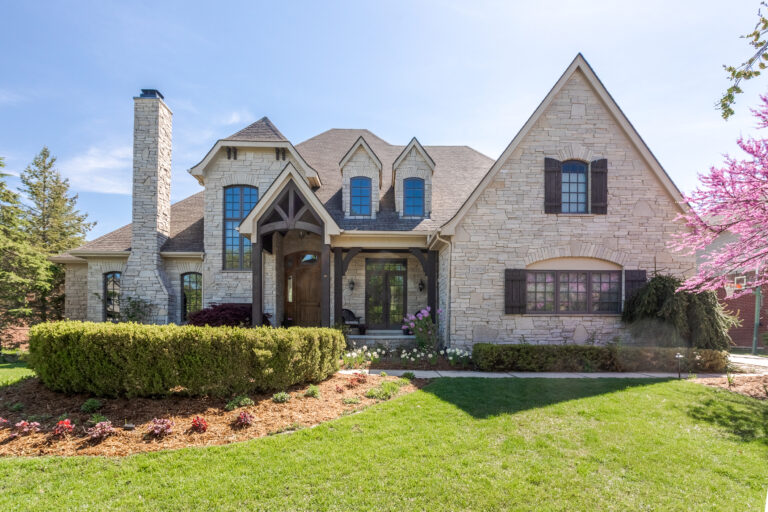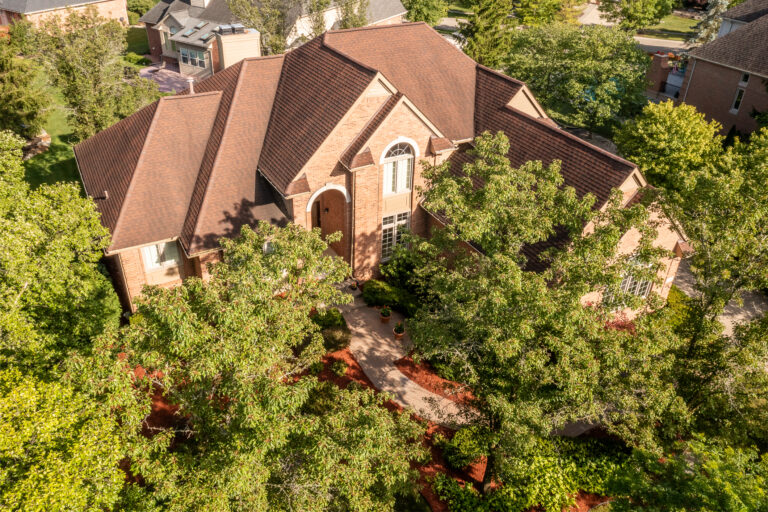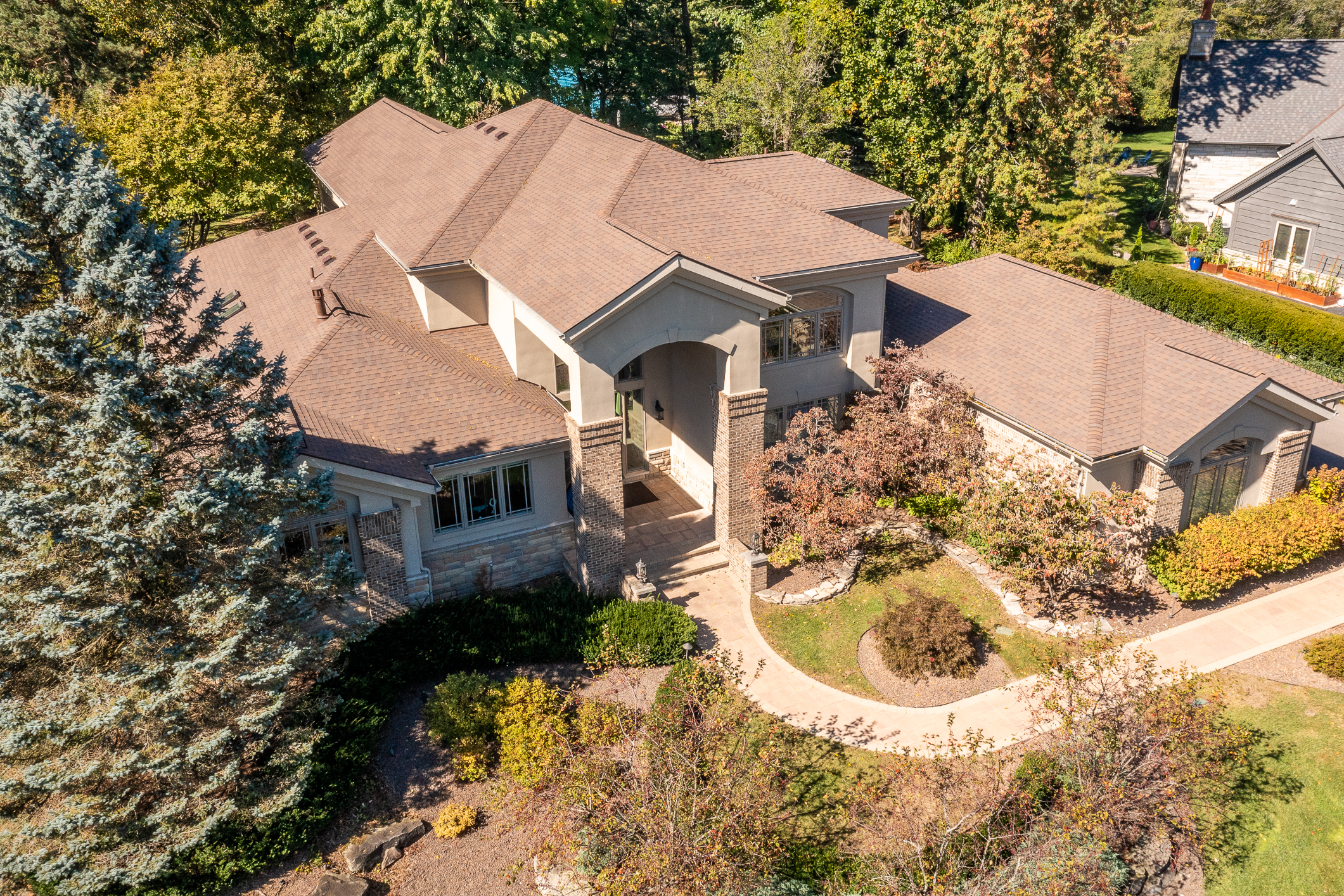
Plymouth, Michigan offers several different versions of luxury living. For some buyers, the appeal is a thoughtfully renovated home within walking distance of downtown restaurants and Kellogg Park. For others, it is a custom residence in Plymouth Township with a spacious backyard, mature trees, and room to entertain. Both can offer a rewarding place to live, but they create very different everyday experiences.
Finding the right property involves more than choosing a price range or looking for the largest home. Location, construction quality, privacy, layout, and long-term upkeep all deserve attention. This guide explores what buyers should know when considering a luxury home in Plymouth, MI.
Luxury Homes in Plymouth: Quick Takeaways
- Housing options: Plymouth’s higher-end market includes custom homes, established estates, renovated residences near downtown, newer construction, and upscale condominium options.
- Location matters: The City of Plymouth and Plymouth Township offer different settings, making the location an important part of the decision.
- Neighborhoods vary: Communities such as Fox Pointe, Hunters Creek, Woodlore North, Plymouth Commons, and Beacon Meadows provide different combinations of space, architecture, and surroundings.
- Look beyond square footage: Consider the lot, construction quality, renovation history, outdoor living areas, parking, association requirements, and ongoing maintenance.
- Local knowledge matters: A home’s individual features and position within its neighborhood can make broad averages less useful when evaluating its asking price.
What Does Luxury Real Estate Look Like in Plymouth?
Luxury real estate in Plymouth is not limited to one home style or price point. A carefully designed residence near downtown may appeal to someone who values walkability, while a larger township home may better suit a buyer looking for additional living space and privacy.
Depending on the property, buyers may find custom kitchens, detailed woodwork, generous primary suites, dedicated offices, finished lower levels, and multiple gathering spaces. Outdoor features can include landscaped patios, covered seating areas, pools, or yards with room for recreation. Larger garages may provide space for vehicles, storage, and hobbies.
The most useful question is how those features support the way you live. A home with a beautiful formal dining room may be less appealing if you need a comfortable office and an everyday gathering space. Likewise, a substantial yard may be an advantage only if you are prepared to maintain it.
Plymouth also offers a mix of established homes and more recent construction. Some buyers are drawn to mature trees and architectural character; others prefer current layouts and fewer immediate renovation projects. Comparing the entire property helps clarify which combination is worth pursuing.
City of Plymouth vs. Plymouth Township for Luxury Buyers
One of the first choices buyers should consider is whether they prefer the City of Plymouth or Plymouth Township. The two share the Plymouth name and access to many local destinations, but they are separate municipalities with different residential settings.
City of Plymouth
The City of Plymouth can appeal to buyers who want an upscale home close to downtown. Restaurants, coffee shops, local stores, and community activities around Kellogg Park give the area a recognizable center and make it possible to build more of your routine around walking.
Depending on available listings, buyers may compare renovated older homes, newer residences on established streets, and upscale attached housing. Luxury in this setting may come from careful design, quality finishes, and a convenient location rather than an especially large lot.
Evaluate the street as closely as the house. Sidewalk connections, road crossings, driveway space, neighboring homes, and activity during downtown events can all affect the experience. A home described as being near downtown may still involve a walk that feels different from what you had in mind.
Plymouth Township
Plymouth Township gives buyers additional opportunities to explore larger homes, established subdivisions, and properties with more outdoor space. For someone who wants a substantial backyard, additional garage capacity, or greater separation between homes, the township is an important part of the search.
Buyers can compare custom residences and spacious homes in neighborhoods where mature landscaping helps define the setting. Some properties may offer finished walkout lower levels, extensive patios, or flexible interiors that accommodate work, guests, and entertaining.
The tradeoff often involves driving more frequently. Consider the actual route to downtown, shopping, schools, and work rather than assuming every Plymouth address offers the same convenience.
Neither setting is automatically the better choice. Start with your priorities, then compare individual properties and streets within the city and township.
Where Are Luxury Homes Found in Plymouth?
Plymouth’s higher-end homes are found in a variety of neighborhoods, along with individual properties near downtown and elsewhere in the community. The following subdivisions provide useful starting points for buyers exploring larger homes and established residential settings.
Fox Pointe is an established Plymouth Township neighborhood with spacious homes, mature trees, and generous lots. Buyers who appreciate traditional architecture and an established landscape may want to include it in their search. The condition and renovation history of individual homes remain important points of comparison.
Hunters Creek offers substantial homes and mature surroundings in Plymouth Township. It can appeal to buyers who want room for everyday living and entertaining while remaining connected to the broader Plymouth community. Compare each property’s layout, usable yard space, and privacy rather than relying on size alone.
Woodlore North features custom homes, established landscaping, and generous homesites. It is another option for buyers interested in spacious interiors and a settled neighborhood setting. Features and updates vary by listing, making an individual property review especially useful.
Plymouth Commons offers a mix of colonial, Cape Cod, and contemporary home styles in Plymouth Township. Buyers can compare substantial homes with different layouts and outdoor spaces, including properties with finished lower levels and landscaped yards.
Beacon Meadows provides another established Plymouth-area option, with spacious homes and mature landscaping. Buyers may want to explore it when comparing neighborhood character, interior space, and access to everyday destinations.
These communities are starting points rather than a complete list. Explore available Plymouth luxury homes for sale to see how the current selection aligns with your preferences.
Downtown Living vs. Private Estate Settings
After comparing the city and township, it helps to think more specifically about the lifestyle you want from the property. Two homes can offer similar interior quality while providing very different surroundings.
Living Near Downtown
A home near Downtown Plymouth may appeal to someone who enjoys walking out for coffee, meeting friends for dinner, or spending an afternoon around Kellogg Park. The value of the location comes partly from how often you will use those opportunities.
Look beyond a listing’s description of convenience. Walk the route yourself, evaluate parking, and visit during both quieter hours and busier periods. Outdoor privacy and storage can also deserve extra attention on smaller lots.
For the right buyer, a well-designed home with a manageable yard and access to downtown can offer all the space and convenience they need.
Private Estate Settings
A larger property may be more appealing if you spend considerable time at home and want room for outdoor gatherings, hobbies, or a quieter backyard retreat. Established township neighborhoods offer opportunities to compare homes where the lot is a major part of the appeal.
Lot size alone does not establish privacy or usability. A wooded slope, drainage area, or irregular property boundary may limit how much space you can use. Neighboring windows, road noise, and seasonal changes in tree cover also deserve consideration.
If you envision adding a pool, fence, or outdoor kitchen, investigate the property’s limitations before making that project part of your buying decision.
Established Estates vs. Newer Luxury Homes
Plymouth buyers may find themselves choosing between an established property and a newer home. Each can offer advantages, and age alone does not tell you which will be the better purchase.
Established Luxury Homes
Established homes can provide mature landscaping, distinctive architecture, and a neighborhood whose surroundings are already clear. Completed patios, developed gardens, and established trees can give a property a comfortable feel that takes time to create.
Some homes have been extensively renovated, while others offer an opportunity to update according to your preferences. Understanding the difference is essential when comparing asking prices.
Ask about the scope and timing of improvements. New countertops and paint are different from a comprehensive renovation that addresses plumbing, electrical work, windows, and mechanical equipment. Inspection findings and available documentation can help establish what remains to be done.
Newer Luxury Homes
Newer homes may appeal to buyers seeking contemporary layouts, larger kitchen gathering spaces, dedicated offices, and more recent systems. Depending on the property, they may also offer improved insulation, modern windows, and technology integrated into the original design.
Review the complete cost of making the home ready for your needs. Landscaping, window treatments, outdoor living areas, and finished basement space may require additional spending even when the main living areas feel complete.
Craftsmanship and functionality matter at every age. A thoughtfully renovated established home may be a stronger fit than a newer property with a less practical layout, while another buyer may prefer the convenience of recent construction.
What Should You Evaluate When Buying a Plymouth Luxury Home?
A luxury home can include specialized features, extensive grounds, and multiple systems that require closer evaluation. Taking a careful approach helps you understand both its appeal and its ownership requirements.
Some of the most important factors to consider include:
- Location within Plymouth: Confirm whether the home is in the city or township, and compare access to downtown, parks, shopping, and commuter routes.
- Lot size and privacy: Review usable yard space, drainage, topography, landscaping, and the relationship to neighboring properties.
- Construction quality: Consider materials, workmanship, layout, and the condition of architectural details.
- Renovation history: Ask what was updated, when the work occurred, and what records are available.
- Roof and mechanical systems: Evaluate major components, including roofing, heating and cooling equipment, plumbing, and electrical systems.
- Finished lower levels: Consider natural light, ceiling height, moisture concerns, and whether the space works for your intended activities.
- Outdoor amenities: Understand the condition and maintenance requirements of pools, irrigation, patios, retaining walls, and landscaping.
- Garage capacity and parking: Consider everyday vehicles, guest parking, storage, and access during winter weather.
- HOA rules and fees: Where an association applies, review costs, restrictions, maintenance responsibilities, and planned work.
- Property taxes: Obtain an estimate appropriate to the purchase rather than assuming the seller’s current bill represents your future cost.
- School assignment: Verify district boundaries and enrollment details for the specific address directly with the school district.
- Future maintenance: Budget for the size and complexity of the property, including specialty equipment and exterior improvements.
- Comparable sales: Account for differences in location, condition, lot characteristics, renovations, and amenities when evaluating price.
These details can help you distinguish between a home that presents well and one that will continue to work well after you move in.
Why Luxury Homes Can Be More Difficult to Price
Luxury properties can be difficult to compare because their most important features are not always captured by basic listing statistics. Similar bedroom counts and square footage do not necessarily translate into similar value.
For example, a carefully renovated home near Downtown Plymouth and a larger township property may attract buyers for different reasons. One offers access to downtown, while the other may provide additional land, garage space, and outdoor privacy. Even within the same subdivision, renovation quality and lot position can create meaningful differences.
Price per square foot is one reference point, but it cannot fully explain custom craftsmanship, functional design, landscaping, or the condition of major systems. Automated estimates may also overlook improvements and characteristics that are not clear in public records.
Review recent comparable sales alongside competing listings. Where closely comparable properties are limited, understanding the differences becomes especially important. A well-supported offer considers the whole property and the alternatives available to the buyer.
The Plymouth Luxury Lifestyle
The Plymouth community offers more than a selection of attractive homes. Its appeal also comes from the places residents can enjoy throughout the week, whether they live close to downtown or in a township neighborhood.
Downtown Plymouth provides restaurants, coffee shops, stores, and gathering places around Kellogg Park. The Penn Theatre and community events add more reasons to spend time downtown, making it a destination even for residents who prefer a larger property farther from the center.
Outdoor recreation is another part of the local lifestyle. Plymouth Township Park and city parks provide opportunities to spend time outside, while buyers can compare individual neighborhoods for sidewalks, nearby green space, and the walking routes they would actually use.
Access to M-14 and I-275 can be useful for travel toward Ann Arbor and other Metro Detroit destinations. Commute convenience still depends on the specific property, your destination, and traffic, so testing your normal route is worthwhile.
Plymouth-Canton Community Schools may also be part of a buyer’s decision. Confirm elementary and middle school boundaries, along with the district’s high school assignment process, directly rather than assuming a Plymouth address means automatic assignment to Plymouth High School.
How to Approach Buying a Luxury Home in Plymouth
Begin by separating your essential needs from features that would simply be nice to have. Think about the rooms you use every day, the outdoor space you want to maintain, and the amount of time you expect to spend downtown or commuting.
Then compare locations. Buyers who want to walk to local destinations may approach the search differently from those looking for an established subdivision and a larger backyard. Identifying that preference early can make property tours more productive.
As you evaluate individual homes:
- Review available inventory and relevant recent sales.
- Compare construction quality and major systems alongside interior finishes.
- Evaluate the lot, street, neighborhood, and daily travel routes.
- Arrange inspections appropriate to the home’s features and equipment.
- Review association documents where applicable and investigate planned improvements.
- Consider anticipated maintenance and renovation costs.
- Develop an offer strategy based on the individual property and competing options.
A focused approach makes it easier to recognize a home that meets your priorities and to understand which compromises you are comfortable making.
Work With a Plymouth Luxury Real Estate Expert
Buying a luxury home in Plymouth requires a close look at individual neighborhoods, property features, and recent sales. Downtown proximity, lot characteristics, renovations, and maintenance needs can all influence which home is right for you.
John Goodman Real Estate helps buyers and sellers throughout Plymouth and the surrounding communities. Our team can help you compare locations, arrange private showings, evaluate comparable properties, and develop an offer strategy that reflects the home you are considering.
From the initial search through negotiations, inspections, and closing, we provide guidance tailored to your priorities and the property itself.
If you’re considering buying a luxury home in Plymouth, our experienced Plymouth Realtors can help you explore your options and move forward with a clearer understanding of the local market. Contact John Goodman Real Estate to discuss what you’re looking for and schedule a private showing.