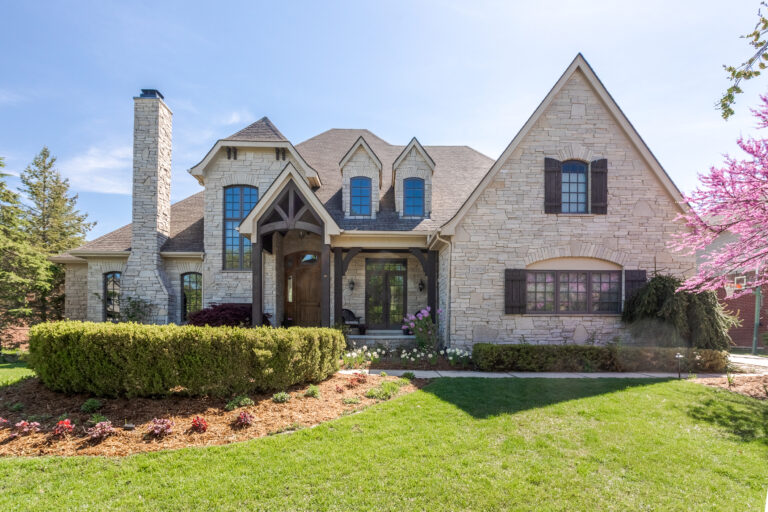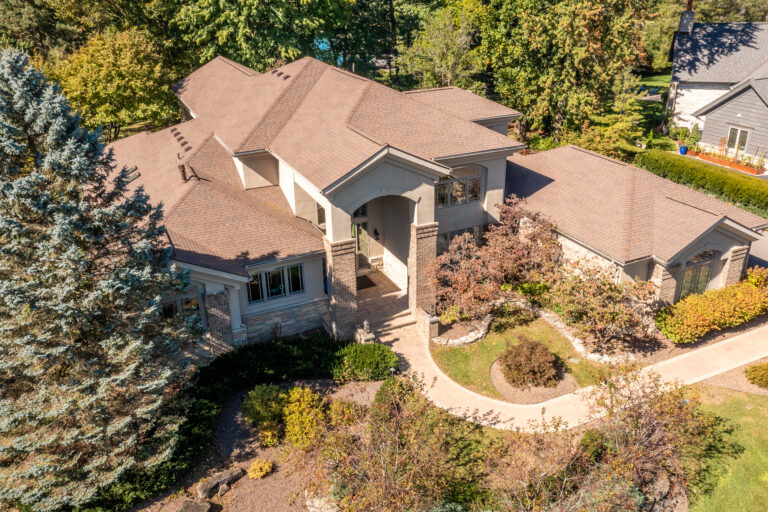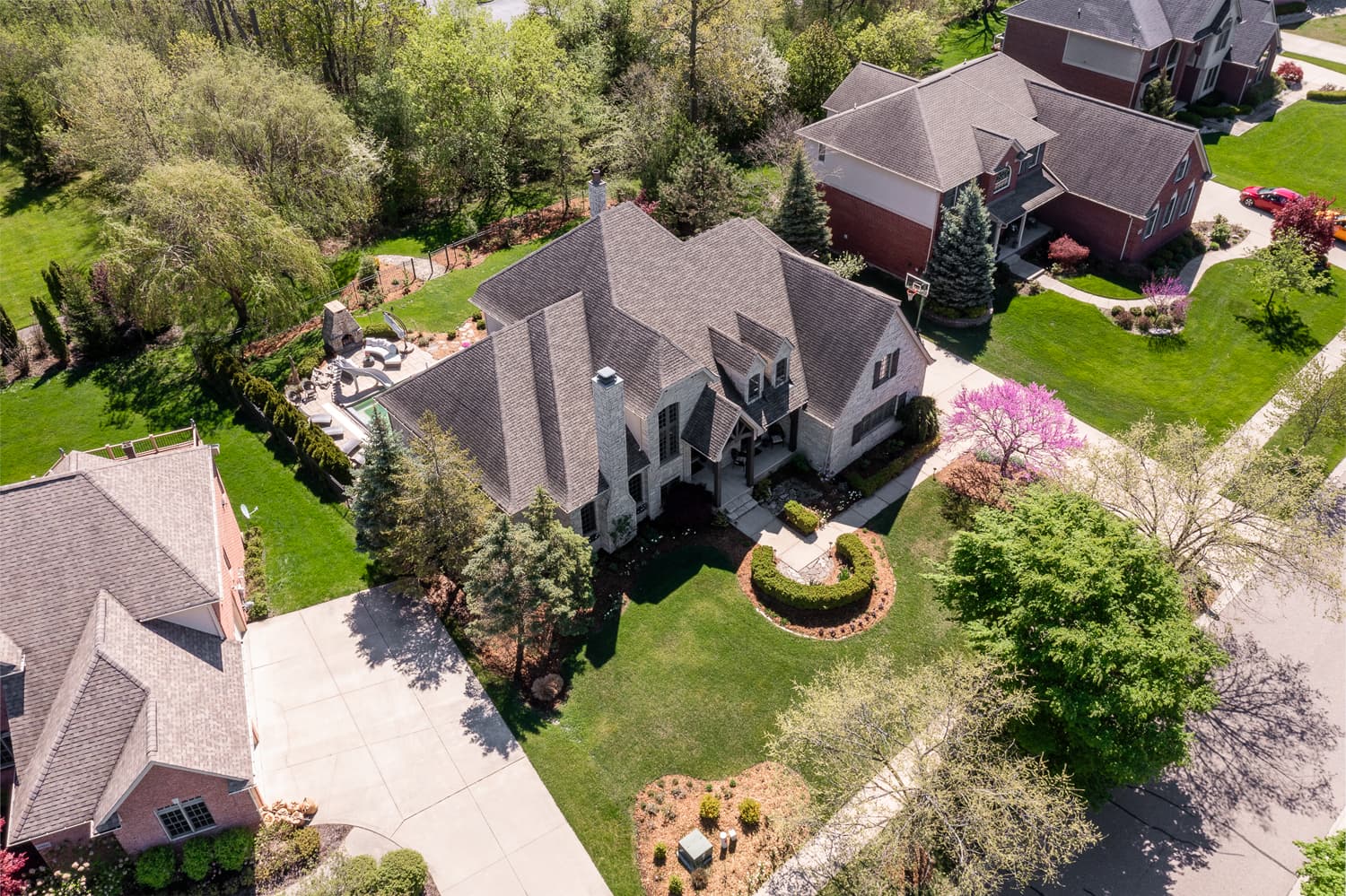
Farmington is an established Oakland County community with a traditional downtown, residential streets lined with mature trees, and a location that keeps much of western Metro Detroit within reach. Local restaurants, neighborhood parks, historic homes, and community gathering places give the city a recognizable sense of place. For buyers who want suburban living with a downtown they can actually spend time in, that combination is a meaningful part of its appeal.
So, is Farmington, Michigan a good place to live? For buyers who appreciate established neighborhoods, local businesses, outdoor recreation, and convenient access to surrounding employment centers, the answer is often yes. Housing options include traditional single-family homes, older homes with architectural character, and condominium options, with availability depending on the area and current listings.
However, living in Farmington also comes with potential tradeoffs. Older homes may need maintenance or modernization, the selection of newer construction can be limited, and many residents still use a car for commuting and errands. Traffic along Grand River Avenue and other major roads can affect daily routines, while homes near downtown may experience more activity during community events.
One distinction matters early in the search: Farmington and Farmington Hills are separate cities. They share many community connections, but properties marketed under the broader Farmington name can sit in different municipalities. This guide focuses on the City of Farmington and identifies surrounding amenities where relevant.
Before exploring homes for sale in Farmington, MI, it helps to understand both the advantages and the potential drawbacks of making Farmington your home.
Living in Farmington, MI: Quick Takeaways
- Farmington offers established housing with character: Buyers can explore traditional single-family homes, historic properties, condominiums, and renovated residences, with fewer large new developments than in more expansive suburbs.
- Downtown is a major advantage: Local dining, shops, the Farmington Civic Theater, Riley Park, and community activities give residents a central place to gather.
- Location is convenient for Metro Detroit: Grand River Avenue and access to nearby M-5, I-696, I-96, and I-275 help connect residents with surrounding communities and employment centers.
- The exact location matters: Farmington and Farmington Hills are separate municipalities, and a broad online search may include both. Confirm the city and school assignments for each property.
- There are tradeoffs to consider: Older-home maintenance, limited new construction, road traffic, and ownership costs can influence whether a property fits your needs.
- Do your homework before buying: Test your commute, inspect the home carefully, verify schools, review association documents when applicable, and compare the neighborhood as closely as the house.
Is Farmington, Michigan a Good Place to Live?
Farmington can be a good place to live for buyers seeking an established suburban environment with a traditional downtown and convenient access to everyday services. Its appeal often comes from the relationship between its residential neighborhoods and local destinations: a home may offer a yard and a settled streetscape while keeping restaurants, parks, or downtown activities reasonably close.
Living in Farmington can provide:
- Established residential neighborhoods with mature landscaping
- Single-family homes, historic properties, and condominium options
- A traditional downtown with local shops, restaurants, and entertainment
- Access to neighborhood parks, walking paths, and community recreation
- Connections to Grand River Avenue and nearby regional freeways
- Farmington Public Schools, with individual school assignments verified by address
Whether Farmington is the right fit depends on your budget, preferred home style, commute, school priorities, and expectations for daily life. A downtown-area home, a condominium, and a house on an interior subdivision street can offer noticeably different experiences.
Pros of Living in Farmington, MI
A Wide Variety of Neighborhoods
Farmington offers several residential settings within a relatively compact community. Buyers can compare homes near downtown, historic residential streets, established subdivisions, and properties close to neighborhood parks. Much of the city’s appeal comes from housing and landscaping that have developed over time.
Some Farmington neighborhoods and residential settings to explore include:
- Downtown Farmington – Homes in and around the downtown area may appeal to buyers who want convenient access to restaurants, shops, Riley Park, and community gatherings.
- Chatham Hills – An established subdivision to consider when comparing traditional single-family homes and residential surroundings within Farmington.
- Historic residential streets near downtown – These areas offer opportunities to consider older homes with individual architectural details and an established neighborhood setting.
- Residential areas near Shiawassee Park – A useful search area for buyers who want to prioritize access to walking paths, outdoor space, and recreation.
- Established neighborhoods away from the downtown core – These locations may suit buyers who prefer a more residential setting while retaining access to local businesses and major roads.
These examples include both named neighborhoods and broader search areas. Lot sizes, home conditions, sidewalks, parking arrangements, and proximity to busier streets vary by property. When expanding a search to the surrounding Farmington Hills area, confirm municipal boundaries rather than assuming every community listed under “Farmington” is within the city.
Convenient Shopping, Dining, and Everyday Amenities
Farmington’s downtown is one of its most distinctive everyday advantages. Instead of relying entirely on large shopping centers, residents have a traditional business district where restaurants, shops, services, and the Farmington Civic Theater are part of the local experience. Dinner out or a movie can feel like an outing close to home.
The Farmington Farmers & Artisans Market brings seasonal activity to the Sundquist Pavilion at Riley Park. Together with other downtown gatherings, it gives residents reasons to return to the center of town beyond routine errands.
Grand River Avenue and nearby commercial areas provide additional access to groceries, professional services, and other necessities. For a broader selection of retailers, medical services, or entertainment, residents can also look to neighboring Farmington Hills, Novi, and Livonia.
That convenience comes with different levels of activity. A home near downtown may put more destinations within walking distance, but buyers should also consider event traffic, parking, delivery activity, and the routes they would use for everyday errands.
Highly Regarded Schools and Educational Options
Schools are an important part of many Farmington home searches. Buyers may compare academic offerings, student support, extracurricular activities, arts, athletics, and transportation alongside a property’s price and location. The most useful comparison is the one that reflects the needs of the individual student.
The City of Farmington is served by Farmington Public Schools, which also serves much of neighboring Farmington Hills. Sharing a district does not mean every home has the same elementary, middle, or high school assignment. Attendance boundaries and available programs should be checked for the specific address.
Before purchasing, contact the district directly to confirm assigned schools, enrollment requirements, and any transportation questions. Buyers interested in a particular program should also ask about eligibility and availability instead of assuming that residence alone guarantees placement.
Parks, Trails, and Outdoor Recreation
Farmington’s parks provide convenient places to spend time outdoors without planning a full day away. Shiawassee Park offers walking trails, play areas, sports facilities, and picnic space, making it a useful local destination for a walk, a game, or a relaxed afternoon.
Riley Park provides a different experience in the heart of downtown, with community gatherings and seasonal activities. Drake Park and other neighborhood parks add outdoor options elsewhere in the city. Together, these spaces support recreation within Farmington’s compact footprint.
Residents can also explore recreation opportunities in neighboring Farmington Hills. When considering programs or facilities outside the city, check registration rules, fees, and any residency requirements before treating them as part of a home’s everyday amenities.
Buyers who prioritize outdoor time should look beyond the distance shown on a map. Sidewalks, crossings, traffic, and the location of park entrances all affect how easily a nearby park becomes part of a daily routine.
A Practical Location for Metro Detroit Commuters
Farmington’s location can work well for people who travel to jobs, appointments, or activities across western Metro Detroit. Grand River Avenue is an important local corridor, while nearby M-5 and connections to I-696, I-96, and I-275 provide routes throughout the region.
Farmington Hills, Novi, Livonia, and Southfield are practical destinations to evaluate when comparing homes. Buyers commuting to Detroit, Northville, Plymouth, or Ann Arbor should consider their actual route and schedule rather than relying on a general description of regional access.
Travel times depend on the property, destination, freeway access, construction, weather, and time of day. A home that appears conveniently located may still involve a busy intersection or a slower local approach to the freeway. Test the complete trip during the hours you normally travel, including the drive back home.
Housing Options for Different Stages of Life
Farmington’s housing stock can accommodate different space requirements and maintenance preferences. Its strengths tend to be established homes and neighborhood character, with condominium options and occasional newer or extensively renovated properties adding variety.
- First-time buyers may consider smaller single-family homes or condominiums, depending on their budget and readiness for maintenance.
- Families may prioritize additional bedrooms, usable yards, sidewalks, nearby parks, and a layout that supports changing household needs.
- Professionals may value access to major roads, downtown restaurants, and a comfortable space to work from home.
- Downsizers can compare ranch-style homes and condominiums, paying attention to stairs, laundry placement, storage, and exterior responsibilities.
- Luxury buyers may focus on substantial renovations, distinctive architecture, quality finishes, or particularly appealing lots. Those seeking a wider selection of large estates or new luxury developments may also consider surrounding communities.
Availability varies, and a familiar home style does not guarantee the same living experience. Compare room arrangements, garage access, basement condition, maintenance needs, and location alongside square footage and asking price.
Cons of Living in Farmington, MI
Farmington has plenty to offer, but buyers should understand the practical compromises that can accompany an established community. Older housing, a smaller selection of certain property types, traffic, and ongoing ownership expenses can all influence the experience of living here.
Home Prices and Buyer Competition Can Be Higher for Certain Properties
A renovated home near downtown or a well-maintained property in an appealing residential setting may command more than a buyer expects. Comparing homes by bedroom count alone can miss important differences in condition, lot usability, location, and the amount of work needed after closing.
Because Farmington is a smaller city, buyers with a narrow set of requirements may have fewer suitable listings to choose from at a given time. That does not mean every home attracts competing offers, but it can require patience when looking for a specific layout or location.
Review recent comparable sales and establish a realistic budget before making an offer. Evaluate the terms of the purchase carefully, including inspections, financing, and any association review, even when a property attracts attention quickly.
Most Residents Still Depend on a Car
Farmington’s downtown can make walking to restaurants, shops, or local activities realistic from certain homes. That is a meaningful advantage, but it does not make every part of daily life accessible on foot.
Many residents still drive to work, larger shopping destinations, healthcare appointments, and activities elsewhere in the region. A home described as “close to downtown” may also require crossing a busy road or following a less direct route than expected.
Walk the routes that matter to you before buying. Check sidewalks, pedestrian crossings, lighting, traffic, and the distance to your actual destinations rather than relying solely on a listing’s walkability description.
Traffic Around Major Corridors
Grand River Avenue and Farmington Road help connect residents with local businesses and surrounding communities, but they can also bring congestion and road noise. Nearby freeway approaches and other busy intersections may affect commuting, particularly during peak travel periods or construction.
Downtown activity can introduce a different kind of traffic. Markets and community events may increase parking demand or change how easily you reach a nearby property.
Visit at different times, including during the evening and a busier weekend period. Pay attention to driveway access, turning movements, and whether you hear traffic from the yard or rooms where you expect to spend the most time.
Property Taxes, HOA Fees, and Ownership Costs Vary
The purchase price is only one part of owning a home in Farmington. Buyers should account for:
- Mortgage principal and interest
- Property taxes
- Homeowners insurance
- Utilities
- HOA or condominium fees, where applicable
- Routine maintenance and future repairs
An older home may need updates to insulation, mechanical systems, roofing, or windows. A condominium may reduce some exterior chores while adding monthly fees and shared financial obligations. Neither arrangement should be evaluated on the mortgage payment alone.
Ask for a property-specific estimate of ownership costs, and confirm what any association fee actually includes. Reserve funding, insurance coverage, planned work, and potential assessments deserve attention before the purchase is complete.
Neighborhood Experiences and School Assignments Differ
A downtown-area property and a home farther from commercial streets can offer very different routines. Parking, lot size, traffic, sidewalks, building age, and the distance to parks all contribute to how a location feels after move-in.
The distinction between Farmington and Farmington Hills also matters. Online search results and mailing descriptions can cover a broader area than the city itself. Confirm the municipality through property records and verify schools directly with the district.
If a particular neighborhood feature is a priority, evaluate it in person. A nearby destination is most useful when you can reach it comfortably and consistently.
Limited New Construction and Redevelopment May Not Appeal to Everyone
Farmington is an established community, so buyers seeking a large selection of newly built homes may need to be flexible. Available opportunities may involve individual replacement homes, smaller projects, or renovated properties rather than an extensive choice of new subdivisions.
An older home with a remodeled kitchen can still have aging systems or a floor plan that differs from newer construction. Buyers should decide which features they are comfortable updating and which need to be present from the start.
Redevelopment can also change the surroundings of an existing home. Check nearby vacant parcels and proposed projects, especially around commercial areas, rather than assuming a current view or neighboring use will remain the same.
Choosing the Right Part of Farmington
Choosing where to live in Farmington often means deciding how closely you want your home connected to downtown, parks, and major roads. Some buyers want to walk to local restaurants, while others would gladly trade that convenience for a quieter street or a different yard arrangement.
Compare the setting and your daily routine together. A property can be attractive on its own without providing the location or maintenance experience you want.
Neighborhoods Near Downtown and Parks
Homes near downtown, Riley Park, or Shiawassee Park may appeal to buyers who want local activities and outdoor space close by. Depending on the street, these locations can make a walk, a market visit, or dinner downtown easier to work into the week.
However, proximity does not guarantee a direct walking route or a quiet setting. Check crossings, park entrances, event activity, and parking. For homes beside open space, verify property boundaries and whether the adjacent land is public parkland, private land, or a shared area.
Homes Near Shopping and Major Roads
Properties near Grand River Avenue, Farmington Road, and routes toward nearby freeways can simplify errands and regional travel. Buyers with frequent appointments or commutes may place a high value on that convenience.
Consider the property’s position relative to traffic. A home on an interior street may feel different from one with a driveway opening directly onto a major road. Evaluate noise, access, headlights, and the time needed to enter or leave the neighborhood during busy periods.
Established Residential Areas
Farmington’s established neighborhoods may offer mature trees, traditional architecture, and a settled streetscape. These settings can appeal to buyers who appreciate homes with individual character and landscaping that has had time to grow.
Older properties also deserve a careful inspection. Review major systems, basement conditions, drainage, and evidence of previous work. Consider whether the layout, closets, garage, and storage fit your needs without a major renovation.
Mature trees can add shade and privacy, but their condition and maintenance should be part of the evaluation. A beautiful yard still needs a realistic upkeep plan.
Newer and Association-Managed Communities
When available, newer homes, townhome-style properties, and condominium communities may appeal to buyers who prefer updated layouts or shared exterior maintenance. The choices within Farmington may be more limited than in the surrounding area, so verify the location of each listing.
For association-managed properties, review the rules, finances, insurance, and division of maintenance responsibilities. Do not assume that a monthly fee includes every exterior repair or that a newer development has no upcoming expenses.
The right choice depends on what you want to manage yourself, what you are comfortable sharing with other owners, and whether the home’s layout supports your longer-term plans.
What Types of Homes Can Buyers Find in Farmington?
Farmington’s housing market is shaped largely by its established residential neighborhoods and historic downtown surroundings. Buyers can compare traditional detached homes, older properties with architectural character, condominium options, and occasional newer or substantially renovated residences.
Established Single-Family Homes
Single-family homes form an important part of Farmington’s residential character. Buyers may encounter ranches, colonials, bungalows, and other traditional designs, with differences in age, size, garage arrangements, and yard space.
Some homes have been extensively updated, while others offer opportunities for gradual improvements. Look closely at the condition behind the finishes, including electrical service, plumbing, heating and cooling equipment, roofing, and basement moisture.
Newer Construction and Smaller Developments
Newer construction can be part of a Farmington search, but buyers should not expect the same selection found in communities with more land available for development. Opportunities may include individual new homes or smaller residential projects, depending on availability.
Compare lot size, setbacks, driveway arrangements, construction specifications, and any association requirements. For homes under construction, understand what the advertised price includes and which features are upgrades.
Condominiums and Townhomes
Condominiums and any available townhome-style properties can offer an alternative to maintaining a detached home and yard. They may appeal to buyers who travel frequently, want less outdoor work, or prefer a different price point or layout.
Maintenance arrangements vary. Review monthly fees, reserves, insurance, pet and rental rules, parking, storage, and proposed assessments. Confirm whether roofs, windows, patios, and mechanical components are owner or association responsibilities.
Historic and Downtown-Area Homes
Homes near Farmington’s historic core can offer architectural details and a connection to the city’s older residential streets. Features may include porches, distinctive trim, established landscaping, or layouts that differ from later subdivision homes.
Character comes with practical questions. Evaluate stairs, bathroom placement, closet space, ceiling heights, and the condition of earlier renovations. If the property has a historic designation or lies within a designated district, ask the city what review or approval may apply to planned work before assuming exterior changes are straightforward.
Luxury and Custom Homes
Farmington buyers seeking a higher-end property may find value in a distinctive home, substantial renovation, quality materials, or a particularly appealing location. The city’s luxury options should be evaluated individually rather than assumed to resemble the larger estate communities found elsewhere.
Buyers whose priorities include extensive acreage, a gated subdivision, or a broad selection of newly built luxury homes may also want to compare nearby markets. Within Farmington, focus on construction quality, thoughtful improvements, lot characteristics, and the fit between the property and your lifestyle.
What Buyers Should Know Before Moving to Farmington
Buying in Farmington involves more than finding the right number of bedrooms. The home’s age, exact municipality, school assignment, surroundings, and ongoing costs all influence whether it remains a good fit after the initial excitement of moving.
Verify the School District and Assigned Schools
Confirm the elementary, middle, and high school assignments directly with the district using the exact address. Farmington Public Schools serves the city, but individual assignments and program availability still need to be checked.
If your search expands into surrounding communities, repeat that verification for each property. Do not rely exclusively on a listing, mailing address, or a previous owner’s school experience.
Test the Commute at the Right Time
Drive your expected route during the hours you normally travel. Include the local streets between the house and the freeway, along with school traffic, busy intersections, and the return trip.
For households with multiple destinations, compare everyone’s routine. A location that works well for one commuter may add substantial time for another, particularly when regular activities are in different directions.
Review the Complete Monthly Cost
Estimate taxes, insurance, utilities, association fees, maintenance, and repairs alongside the mortgage payment. Ask for available information about the age and condition of major systems so you can plan for likely replacements.
Leave room in the budget for the house you are actually buying. An older property with attractive finishes may still need work that is less visible during a showing, while a larger yard or extensive landscaping can add recurring costs.
Read HOA or Condominium Documents
If an association governs the property, review its bylaws, rules, budget, reserves, insurance, meeting minutes, fee history, and proposed assessments. Understand which responsibilities belong to the association and which remain yours.
Pay particular attention to rules that affect your plans, including pets, rentals, parking, exterior changes, and use of shared areas. Clarifying these details before closing can prevent unpleasant surprises later.
Evaluate Traffic and Nearby Development
Visit the property at different times and observe surrounding roads, businesses, parks, and schools. Near downtown, include a busier period so you can assess parking and activity as well as the quieter residential experience.
When vacant land or redevelopment is nearby, review available city planning information. Consider how a change in neighboring use could affect traffic, privacy, or access to the property.
Inspect the Home According to Its Age and Setting
Tailor the inspection to the property. In addition to a general inspection, the home’s condition may warrant closer evaluation of the sewer line, chimney, roof, foundation, drainage, or major mechanical systems.
Older homes can have work completed across several decades. Review available permit information and ask questions about additions, finished basements, and major renovations. Attractive finishes do not tell the whole story of a home’s condition.
Confirm Municipal Boundaries and Property Restrictions
Verify whether the property is in Farmington or Farmington Hills through municipal or county property records. That distinction can affect which city handles services, permits, and other property questions.
Review recorded easements, lot boundaries, shared driveway arrangements, and restrictions that could affect your plans. For a historic property, ask about applicable review requirements before budgeting for exterior alterations. Near a park or open area, confirm boundaries rather than assuming adjacent land is part of the lot.
Compare the Neighborhood, Not Just the House
Look at sidewalks, crossings, road noise, driveway access, nearby amenities, and the position of the home on its lot. Consider how the location works on an ordinary weekday as well as during a relaxed weekend visit.
Think about future needs, too. The layout, stairs, storage, yard, and access to regular destinations should support more than the first year of ownership. A careful neighborhood comparison can help you choose a home that fits your routines as well as your wish list.
Is Farmington Right for You?
Farmington may be a strong fit if you want an established suburban community with a traditional downtown, local businesses, parks, and connections to western Metro Detroit. Its appeal often comes from having recognizable neighborhood character and a central place to spend time close to home.
Farmington may appeal to buyers seeking:
- Established residential streets with mature trees and traditional homes
- A downtown with dining, shops, entertainment, and community gatherings
- Access to parks, schools, and nearby recreation opportunities
- Connections to several Metro Detroit employment areas
- A choice of single-family homes, historic properties, and condominium options
Farmington may be less suitable if your priorities include:
- A large selection of new construction or master-planned communities
- Extensive acreage or numerous large luxury estates within the city
- Completing most regional travel and daily errands without a car
- Avoiding older-home maintenance or potential renovation projects
- Living near downtown while expecting very little event activity or traffic
The best fit depends on the property. A historic home near downtown, a house on an interior subdivision street, and a condominium can offer different balances of convenience, space, character, and responsibility.
The Farmington Realtors at John Goodman Real Estate bring 55+ years of experience to helping buyers compare homes, neighborhoods, and the practical details of a move. Explore the Farmington community page to learn more about the area, or begin reviewing homes for sale in Farmington, MI to see which properties match your priorities.
Frequently Asked Questions About Living in Farmington, MI
Is Farmington, MI a good place to live?
Farmington can be a good place to live for buyers who appreciate established neighborhoods, a traditional downtown, parks, local businesses, and access to western Metro Detroit. Whether it is right for you depends on your budget, commute, preferred home style, and comfort with the maintenance needs of the property you choose.
Is Farmington a good place for families?
Families may consider Farmington for its residential neighborhoods, schools, parks, and community activities. Compare the features that matter to your household, including yard space, sidewalks, recreation, and daily travel. Verify the assigned schools directly with the district for each property address.
Is Farmington expensive to live in?
Costs depend on the home’s size, condition, location, and ownership arrangement. Updated properties near downtown may have different price expectations than homes needing work, while condominium fees can change the monthly calculation. Compare current listings and recent sales, and budget for taxes, insurance, utilities, maintenance, and potential repairs.
Is Farmington walkable?
Downtown Farmington and some nearby residential streets can make walking to restaurants, shops, parks, and community activities practical. Walkability varies by address, and many residents still drive for work, groceries, healthcare, and regional trips. Check the actual sidewalks, crossings, and routes around each home.
What school district serves Farmington homes?
The City of Farmington is served by Farmington Public Schools. Individual elementary, middle, and high school assignments should be verified directly with the district. If an online search includes Farmington Hills or other nearby communities, confirm the municipality and district for each listing as well.
What kinds of homes are available in Farmington?
Buyers can explore established single-family homes, ranches, colonials, bungalows, historic properties, and condominiums. Depending on current inventory, there may also be newer homes, townhome-style options, and extensively renovated residences. Large new subdivisions and estate properties are less central to Farmington’s housing stock.
What are some popular neighborhoods in Farmington?
Buyers can begin by exploring Downtown Farmington and Chatham Hills, along with established residential streets near parks and the historic downtown area. Compare the location, home condition, lot, and walking routes rather than relying on the neighborhood name alone. Some broader Farmington neighborhood guides also include Farmington Hills communities, so check city boundaries.
How is the commute from Farmington?
Grand River Avenue and access to nearby M-5, I-696, I-96, and I-275 provide connections to communities across Metro Detroit. Actual travel times depend on your address, destination, traffic, weather, and construction. Test the route during your normal commuting hours, including the local drive to and from the freeway.
Where can I find homes for sale in Farmington, MI?
You can browse homes for sale in Farmington, MI through John Goodman Real Estate and compare properties by price, location, home style, and features. Ask the team to help focus your search on the City of Farmington or expand it to nearby communities based on your goals.