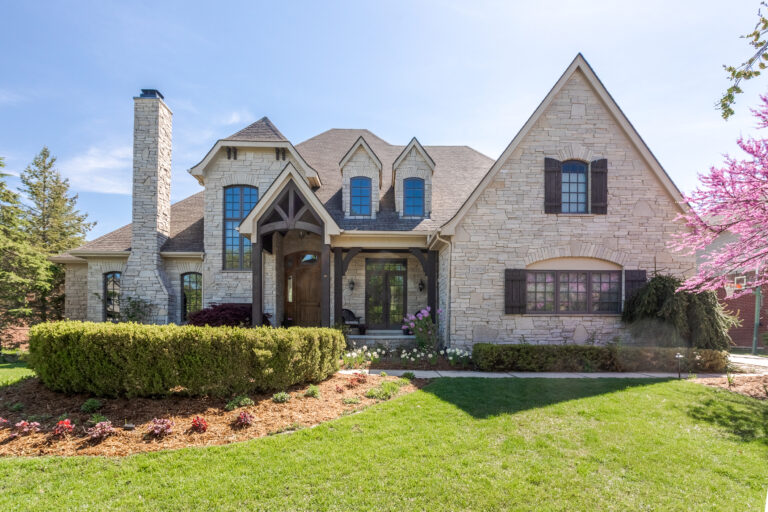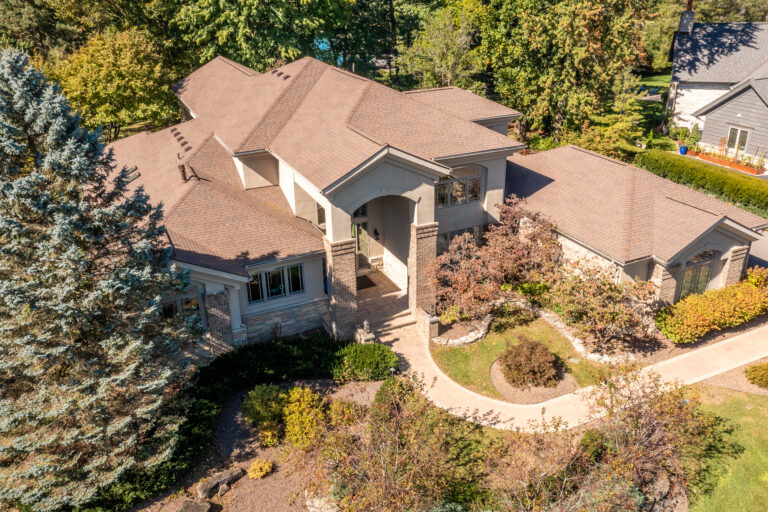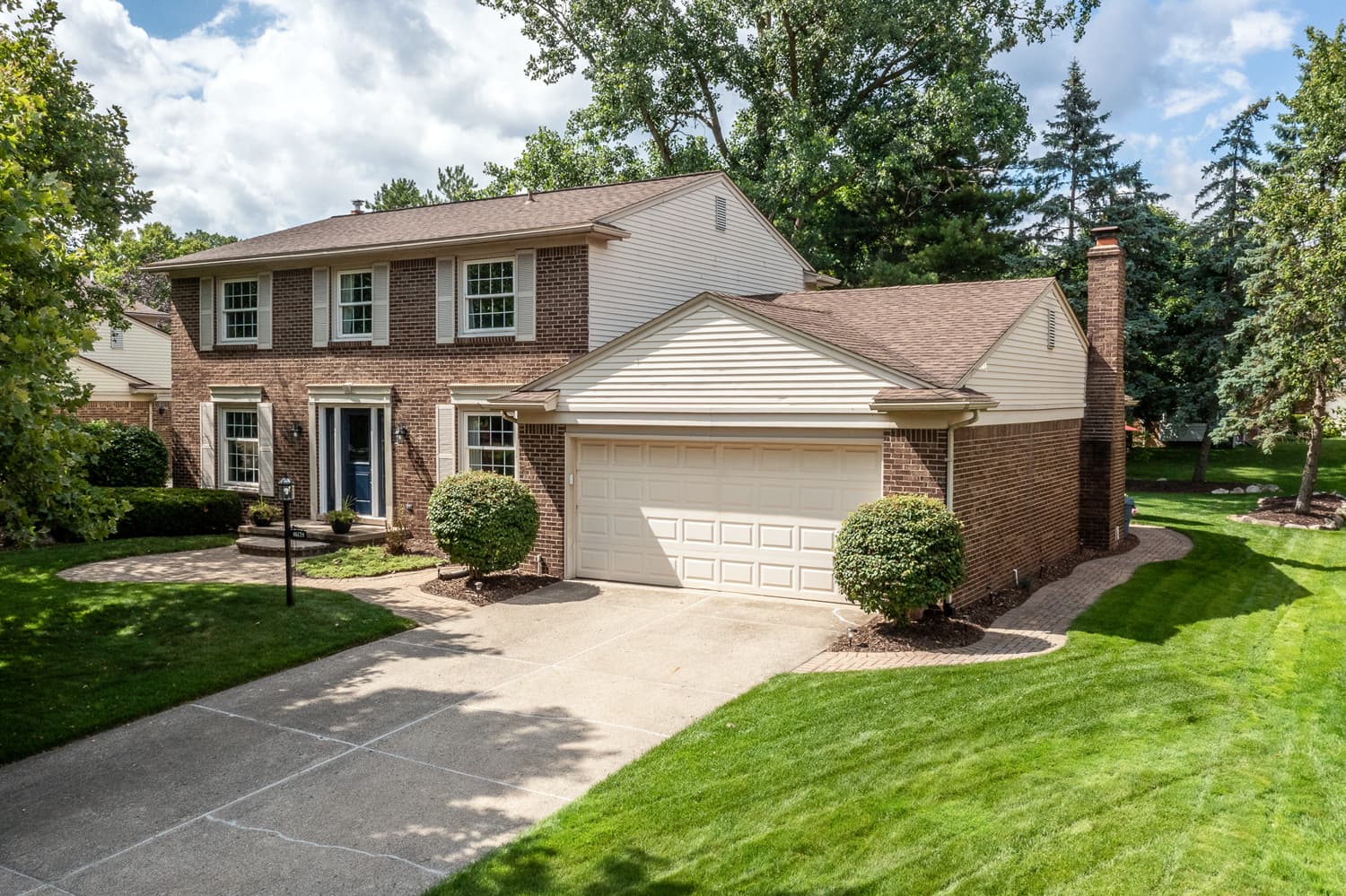
Plymouth is an established western Wayne County community that combines a lively downtown with attractive residential neighborhoods, local parks, restaurants, shops, and everyday conveniences. Its location also connects residents with employment centers throughout western Metro Detroit and the Ann Arbor area, including nearby Canton, Livonia, Northville, and Novi.
So, is Plymouth, Michigan a good place to live? For buyers who appreciate a traditional downtown, neighborhood character, outdoor recreation, and a choice of housing styles, the answer is often yes. The Plymouth area offers everything from older homes near downtown and condominium communities to established subdivisions, newer construction, and custom luxury residences.
However, living in Plymouth also comes with potential tradeoffs. A downtown location, extensive renovations, or a larger property can come with a higher purchase price. Many residents still depend on a car for commuting and errands, and traffic, event parking, or nearby railroad activity can affect some locations. Home age, maintenance needs, association requirements, and the surrounding streetscape also vary considerably.
Before exploring homes for sale in Plymouth, MI, it helps to understand an important distinction: the City of Plymouth and Plymouth Township are separate municipalities. This guide covers the broader Plymouth area, including both the downtown-centered city and surrounding township neighborhoods. Confirm the municipality of each property rather than relying on its mailing address alone.
Living in Plymouth, MI: Quick Takeaways
- Plymouth offers a wide range of housing: Buyers can find historic and established single-family homes, condominiums, townhomes, newer construction, and luxury properties across the city and township.
- Downtown is a major advantage: Kellogg Park, local shops, restaurants, and community activities give Plymouth a central gathering place and a distinctive local identity.
- Location is convenient for regional travel: Access to M-14, I-275, and connections to I-96 helps residents reach Metro Detroit, Ann Arbor, and surrounding employment centers.
- Neighborhoods can differ considerably: A home near downtown and a township subdivision property may offer different lot sizes, walking routes, association obligations, and daily routines.
- There are tradeoffs to consider: Desirable locations can carry a premium, older homes may need work, and traffic, parking, or train activity can matter on particular streets.
- Do your homework before buying: Verify municipal boundaries and school assignments, review ownership costs and association documents, inspect the home, and test your commute.
Is Plymouth, Michigan a Good Place to Live?
Plymouth can be a good place to live for buyers seeking suburban comfort with a traditional downtown and convenient access to the surrounding region. The city and township offer different residential experiences, allowing buyers to compare locations close to downtown activity with neighborhoods that provide more space or a quieter subdivision setting.
Living in Plymouth can provide:
- A mix of historic residential streets, established subdivisions, and newer homes
- Single-family homes, condominiums, townhomes, and luxury properties
- Downtown shopping, dining, local businesses, and community gatherings
- Access to parks, walking paths, playgrounds, and organized recreation
- Convenient connections to M-14, I-275, and the broader freeway network
- Educational options and school assignments that should be verified by address
Whether Plymouth is the right fit depends on your budget, preferred home style, commute, school priorities, and expectations for everyday life. Some buyers want to walk downtown for dinner, while others place greater value on a larger yard, an attached garage, or a neighborhood farther from commercial activity.
Pros of Living in Plymouth, MI
A Wide Variety of Neighborhoods
Plymouth real estate includes several distinct residential settings. The city offers homes near downtown, older residential streets, and the Old Village area. The surrounding township adds established subdivisions, condominium communities, and opportunities for larger or newer homes.
Some Plymouth neighborhoods and residential areas to explore include:
- Beacon Meadows – An established neighborhood with spacious single-family homes, mature landscaping, and room to enjoy outdoor living.
- Country Acres of Plymouth – A Plymouth Township neighborhood offering larger homes, generous lots, and wooded surroundings that may appeal to buyers seeking additional space and privacy.
- Colony Farms – A Plymouth-area neighborhood to explore when comparing available homes, lot sizes, and access to everyday destinations.
- Ridgewood Hills – A residential subdivision to consider when searching for a detached home in the broader Plymouth area.
- Woodlore – An established Plymouth Township subdivision featuring ranch and colonial-style homes, mature trees, and traditional neighborhood character.
- Woodlore North – Another option for buyers exploring executive-style homes in the Plymouth area and comparing space, layout, and neighborhood setting.
Each location offers a different combination of home age, architecture, lot dimensions, maintenance needs, and access to daily destinations. Neighborhood names alone do not confirm school assignments, association amenities, or municipal boundaries. Compare the actual property and its surroundings before deciding which area best fits your plans.
Convenient Shopping, Dining, and Everyday Amenities
One of Plymouth’s strongest lifestyle advantages is its downtown. Restaurants, coffee shops, boutiques, and local services create a place where residents can spend an afternoon or evening close to home. Kellogg Park anchors the district and provides a recognizable gathering space in the center of town.
For buyers near downtown, that can mean walking to dinner or combining a short outing with a visit to local shops. For residents farther away in the township, downtown remains a nearby destination without necessarily being part of their immediate residential surroundings.
Ann Arbor Road, Plymouth Road, and the Haggerty Road corridor provide additional access to shopping, groceries, medical offices, and professional services. Nearby Canton, Livonia, and Northville expand the selection of retailers, healthcare, and entertainment available within the surrounding area.
Convenience can also bring activity. Downtown parking demand, restaurant traffic, and community events may affect nearby streets, while larger commercial corridors can become busy during commuting and shopping periods. Buyers should decide how close they want to be to those destinations and visit prospective homes at different times of day.
Highly Regarded Schools and Educational Options
Schools are an important consideration in many Plymouth home searches. Buyers may compare academic programs, student support, arts, athletics, and extracurricular opportunities alongside a home’s location and features. The best fit depends on the needs of the individual student.
Plymouth-Canton Community Schools serves the City of Plymouth and much of the surrounding Plymouth area. Elementary and middle school attendance areas vary by address. Buyers should verify the applicable district and assignments directly, especially when searching across township or postal boundaries.
The district’s Plymouth-Canton Educational Park includes Canton, Plymouth, and Salem high schools on a shared campus. High school assignment follows the district’s process rather than simply matching the city’s name. A Plymouth address does not automatically guarantee placement at Plymouth High School.
Contact the district before purchasing to confirm enrollment, school assignments, transportation, and any program-specific requirements. Do not rely exclusively on a real estate listing or assume that a previous owner’s school experience will apply to your household.
Parks, Trails, and Outdoor Recreation
Plymouth offers outdoor spaces that serve different purposes, from a downtown gathering place to neighborhood play areas and larger recreation destinations. Within the city, Kellogg Park provides a central green space, while Hough Park, other neighborhood parks, and the Tonquish Creek Nature Walk add options away from the main business district.
In Plymouth Township, Township Park on Ann Arbor Trail offers walking paths, play areas, picnic facilities, a sprayscape, and a fishing pond. It gives residents a larger destination for outdoor time, with seasonal recreation options that can suit different interests.
Other township parks and neighborhood spaces add opportunities closer to individual subdivisions. Buyers can also compare nearby golf facilities, recreation programs, and regional destinations based on the activities they expect to use regularly.
When evaluating a home, look beyond the straight-line distance to a park. Sidewalk connections, road crossings, available entrances, and traffic can determine whether an outdoor space is easy to reach on foot or more practical as a short drive. Check current program registration and facility rules when a particular activity is important to your plans.
A Practical Location for Metro Detroit Commuters
Plymouth’s position between Detroit and Ann Arbor can be useful for households whose work and activities take them in different directions. M-14 provides an important east-west connection, while I-275 and access to I-96 connect residents with other parts of the region.
Canton, Livonia, Northville, Novi, and the surrounding employment areas are practical destinations to consider when evaluating a move. Buyers who regularly travel to Detroit, Ann Arbor, or Detroit Metropolitan Airport should compare actual routes from the specific neighborhood.
Freeway access is only one part of the trip. Local roads, busy intersections, school traffic, and railroad crossings may influence how quickly you get from the house to your main route. Conditions also change with weather, construction, and time of day.
Before purchasing, test both the outbound and return commute during your usual travel hours. A location that feels convenient during a weekend showing may produce a different experience on a weekday morning.
Housing Options for Different Stages of Life
The broader Plymouth area offers housing choices for buyers with different space requirements, budgets, and maintenance preferences. Options can include smaller established houses, traditional subdivision homes, condominiums, townhomes, newer construction, and custom residences.
- First-time buyers may consider smaller single-family homes or condominiums, depending on pricing, association fees, and the amount of work they are comfortable taking on.
- Families may prioritize additional bedrooms, usable yards, sidewalks, nearby parks, and a layout that accommodates changing routines.
- Professionals may value a home office, access to major roads, or a location near downtown dining and services.
- Downsizers can compare ranch-style homes and condominiums, with attention to stairs, laundry placement, storage, and exterior maintenance.
- Luxury buyers may explore custom homes, substantial renovations, larger township properties, or newer residences close to downtown.
Availability and pricing vary by location and property type. Buyers should compare total ownership costs, layout, lot usability, and long-term maintenance alongside the home’s appearance and square footage.
Cons of Living in Plymouth, MI
Plymouth offers many advantages, but the right fit depends on which tradeoffs you are comfortable making. Housing costs, car dependence, traffic, association expenses, and the condition of older homes can all affect the experience of living here. These factors vary between the city, township, and individual neighborhoods.
Home Prices and Buyer Competition Can Be Higher
A home near downtown, an extensively renovated property, or a newer residence in a desirable setting may carry a premium. Buyers who want several features at once, such as walkability, a large yard, updated interiors, and generous garage space, may need to be flexible about budget or location.
Well-presented homes priced appropriately for their condition and surroundings can attract attention quickly. However, competition varies by property and market conditions. Review recent comparable sales rather than assuming every Plymouth listing will sell immediately or above its asking price.
Prepare with mortgage preapproval, a clear budget, and a realistic list of priorities. When a suitable home becomes available, evaluate it promptly while giving inspections, disclosures, association documents, and financing terms the attention they deserve.
Many Residents Still Depend on a Car
Downtown Plymouth offers a more walkable environment than many suburban commercial areas, particularly for nearby residents. That does not mean every Plymouth address supports a largely car-free lifestyle.
Township neighborhoods are often farther from downtown, and many residents drive for work, groceries, healthcare, and regional activities. Even a property close to a destination may lack a comfortable pedestrian route because of road width, traffic, or missing sidewalk connections.
If walking is a priority, try the routes yourself. Consider the destinations you would visit every week, the crossings involved, and whether the distance remains practical in less pleasant weather.
Traffic Around Major Corridors
Ann Arbor Road, Haggerty Road, Plymouth Road, and routes toward M-14 and I-275 can become busy during peak travel periods. Downtown streets may also see increased activity during popular events or busy dining hours.
Railroad activity is another location-specific consideration, especially near Old Village and other rail-adjacent properties. Train noise and delays at crossings may affect some daily routes more than others.
Visit a prospective home more than once and pay attention to driveway access, nearby intersections, parking, and background noise. Consider what you can hear from the yard and living areas as well as what you notice while driving through the neighborhood.
Property Taxes, HOA Fees, and Ownership Costs Vary
The purchase price is only one part of owning a home in Plymouth. Buyers should calculate the complete expected expense, including:
- Mortgage principal and interest
- Property taxes
- Homeowners insurance
- Utilities
- HOA or condominium fees, where applicable
- Routine maintenance and future repairs
Costs can differ between properties in the city and township, as well as between detached homes and condominiums. Obtain estimates for the specific property rather than applying a general assumption about what living in Plymouth costs.
Association fees may cover landscaping, snow removal, exterior work, private roads, or shared facilities. Review what is included, the association’s financial position, and any planned work or assessments. An older house or a property with extensive landscaping may also require a larger maintenance allowance than its initial appearance suggests.
Neighborhood Experiences and School Assignments Differ
Two Plymouth addresses can provide very different lifestyles. A home near downtown may offer convenient walking routes but less yard space, while a township subdivision may provide a larger lot with more driving required for daily activities.
Municipal boundaries, assigned schools, association rules, street design, home age, and proximity to major roads all influence the experience. The mailing address alone does not establish these details.
Evaluate each neighborhood independently and confirm schools directly with the district. Multiple visits can also reveal patterns of traffic, parking, recreation, and noise that are easy to miss during a single showing.
Continued Development May Not Appeal to Everyone
Development in the Plymouth area can take different forms. Within established city neighborhoods, buyers may encounter replacement homes, additions, or redevelopment of existing sites. Township locations may have different opportunities for residential or commercial projects.
New investment can bring updated housing and services, but nearby work can also introduce construction traffic, temporary disruption, or changes to the surrounding streetscape. A new neighboring home may affect privacy or the feeling of space between properties.
If a home sits beside vacant land, an older commercial site, or active construction, review available planning and zoning information. Understanding potential changes is more useful than assuming the current setting will remain exactly as it is.
Choosing the Right Part of Plymouth
The experience of living in Plymouth depends heavily on the setting you choose. Downtown proximity, subdivision character, yard size, access to parks, and the drive to major roads can all shape your routine.
Start by deciding what you want to do close to home and which trips you are comfortable making by car. Then compare the city’s residential areas with township neighborhoods that match your space and maintenance preferences.
Neighborhoods Near Downtown and Parks
Homes near downtown and Kellogg Park may appeal to buyers who want restaurants, shops, and community activities within a manageable walk. Residential areas near neighborhood parks or Township Park can suit buyers who place greater value on outdoor recreation.
These settings provide different experiences. A downtown-adjacent street may have more visitors and parking demand, while a park-facing property may experience activity around play areas or organized recreation.
Walk the immediate area and identify the routes you would actually use. Check boundaries, access points, and the ownership of neighboring open space rather than assuming it is part of the property or will always remain undeveloped.
Homes Near Shopping and Major Roads
Properties with convenient access to Ann Arbor Road, Plymouth Road, Haggerty Road, and freeway entrances can simplify errands and commuting. This may be especially valuable for households with frequent trips throughout the region.
Consider how the home sits relative to nearby activity. An interior subdivision lot may provide separation from traffic even when shops are close, while a driveway directly on a busy road can create a different daily experience.
Evaluate road noise, turning access, headlights, and the time required to reach common destinations. Convenience is most useful when the specific route works comfortably for your schedule.
Established Residential Areas
Established Plymouth neighborhoods may offer mature trees, traditional architecture, and a streetscape with individual character. Older city homes and long-established township subdivisions can appeal to buyers who value landscaping and surroundings that have developed over time.
The tradeoff can be maintenance or updating. Review roofing, windows, drainage, plumbing, electrical systems, and heating and cooling equipment. Basements, garages, storage, and room arrangements also deserve attention when comparing older homes with newer designs.
Think about the yard as part of the property’s responsibilities. Mature trees and extensive planting can add shade and privacy while requiring ongoing care.
Newer and Amenity-Oriented Communities
Newer homes and planned communities may offer open living areas, modern kitchens, flexible workspaces, and newer mechanical systems. Depending on the development, buyers may also find shared landscaping, walking paths, or other common facilities.
A newer home near downtown can differ considerably from one in a township development. Compare lot dimensions, neighboring construction, parking, and association obligations instead of treating all new construction as the same option.
Where an HOA or condominium association applies, review its rules, finances, insurance, reserve funding, fee history, and planned assessments. Confirm which amenities exist and which maintenance responsibilities remain with the homeowner.
What Types of Homes Can Buyers Find in Plymouth?
Plymouth’s housing variety reflects both its older city neighborhoods and the surrounding township. Buyers can compare established homes, newer construction, condominiums, historic properties, and custom residences with different combinations of space, character, and convenience.
Established Single-Family Homes
Many Plymouth-area neighborhoods feature traditional detached homes with mature landscaping and yards of varying sizes. Styles may include ranches, colonials, bungalows, Cape Cods, and other designs, depending on the neighborhood’s age and development history.
Some homes have been extensively updated, while others offer opportunities for gradual improvements. Compare the condition of major systems and the functionality of the layout, including storage, bathrooms, garage access, and basement space.
A well-maintained older home can be a strong fit, but visible renovations should not replace a careful review of the property’s overall condition.
Newer Construction and Planned Communities
Newer homes may appeal to buyers who want contemporary layouts, larger kitchens, modern mechanical systems, and space designed around current routines. Opportunities can include individual new homes in established settings as well as properties within planned developments.
Before purchasing, confirm what the price includes, the status of surrounding construction, and any remaining work. Evaluate lot size, setbacks, driveway arrangements, landscaping, and the relationship between the new home and neighboring properties.
If an association governs the development, review its fees, restrictions, and maintenance requirements before making a final decision.
Condominiums and Townhomes
Plymouth-area condominiums and townhomes can offer alternatives for buyers who want to reduce certain exterior chores or prefer a different layout and ownership arrangement. Depending on availability, options may include properties closer to downtown or within surrounding residential communities.
Lower exterior maintenance does not eliminate ownership responsibilities. Monthly fees, insurance arrangements, reserves, parking, storage, and the condition of shared components all affect the practical value of a property.
Review rental restrictions, pet rules, upcoming work, and possible assessments. Confirm which repairs belong to the association and which remain your responsibility.
Historic and Downtown-Area Homes
Older homes near downtown and in established city neighborhoods may feature porches, distinctive trim, mature landscaping, and architecture that differs from later subdivision construction. Their location can be as important to buyers as the house itself.
Room sizes, closets, stairways, garages, and bathroom placement may reflect the era in which the home was built. Some properties have been thoughtfully expanded, while others retain a more traditional layout.
Review the condition and documentation of earlier improvements. If a property has a historic designation or lies within a designated district, ask the city about requirements affecting planned changes before budgeting for a renovation.
Luxury and Custom Homes
The Plymouth area offers opportunities to consider custom homes, larger residences, substantial renovations, and properties with higher-end finishes. Luxury can take the form of a spacious township home or a carefully designed residence close to downtown.
Features may include home offices, finished lower levels, upgraded kitchens, outdoor living areas, and premium lot settings. Availability varies, and buyers should consider whether they value land, location, newer construction, or distinctive architecture most.
Evaluate construction quality, maintenance requirements, association obligations, and the usefulness of the home’s features. A higher purchase price does not automatically mean every improvement fits your long-term needs.
What Buyers Should Know Before Moving to Plymouth
Buying a home in Plymouth involves more than selecting a preferred style or number of bedrooms. Municipal boundaries, schools, commute routes, maintenance needs, association rules, and neighborhood activity can all influence whether the property remains a good fit over time.
Verify the School District and Assigned Schools
Contact the applicable district using the exact address to confirm enrollment and school assignments. Ask about transportation and any programs that matter to your household.
Within Plymouth-Canton Community Schools, verify the high school assignment process separately from elementary and middle school boundaries. Do not assume a listing’s school information guarantees enrollment at a particular campus or school.
Test the Commute at the Right Time
Drive your expected route during the hours you normally travel. Include the trip through local streets, any railroad crossings, and the return journey.
Consider school traffic, busy shopping periods, weather, construction, and downtown events where relevant. If household members travel in different directions, compare both routines before deciding that a location is convenient.
Review the Complete Monthly Cost
Estimate taxes, insurance, utilities, association fees, maintenance, and likely repairs alongside the mortgage payment. Use information specific to the property and its municipality.
Ask about the age and condition of major systems and plan for foreseeable replacements. An updated kitchen or fresh paint can make a strong impression while leaving less visible expenses to address after move-in.
Read HOA or Condominium Documents
Review bylaws, rules, budgets, reserves, insurance, meeting minutes, fee histories, and proposed assessments when an association applies. Understand the division of responsibility between the owner and association.
Rules concerning pets, rentals, vehicles, fences, exterior changes, and shared facilities can affect how you use the home. Resolve questions before completing the purchase rather than relying on a general description of what the association covers.
Evaluate Traffic and Nearby Development
Visit at different times and observe surrounding roads, businesses, schools, and vacant parcels. Near downtown, include a busier period so you can evaluate parking and activity as well as the quieter residential setting.
If the property is near railroad tracks, consider noise and the effect of crossings on your usual routes. Review available plans for nearby development when construction or a potential change in land use could affect the location.
Inspect the Home According to Its Age and Setting
Choose an inspection approach suited to the home. A general inspection may identify reasons for further evaluation of the roof, foundation, sewer line, chimney, drainage, or mechanical systems.
For older properties, ask about additions and previous renovations and review available documentation. For newer construction, check completion details and warranty information. The goal is to understand the property’s condition and likely responsibilities before the relevant purchase deadlines.
Confirm Municipal Boundaries and Property Rights
Verify whether the home is in the City of Plymouth, Plymouth Township, or another municipality with a Plymouth mailing address. Confirm the responsible municipality through property records.
Review lot boundaries, easements, shared driveways, and restrictions affecting planned additions or outdoor improvements. If a home adjoins a pond, park, or common area, establish who owns and maintains it and whether any access rights come with the property.
A view of open space or water does not automatically create a right to use it. Clarify any association-based rights, fees, and maintenance obligations before purchasing.
Compare the Neighborhood, Not Just the House
Look at sidewalks, crossings, noise, parking, yard placement, and the routes to your regular destinations. Consider whether the location works for an ordinary weekday as well as an enjoyable weekend visit.
Think about future needs such as home-office space, stairs, storage, yard maintenance, and access to services. Comparing the complete neighborhood experience can help prevent an attractive interior from overshadowing practical concerns about daily life.
Is Plymouth Right for You?
Plymouth may be a strong fit if you want suburban living with access to a traditional downtown, local businesses, parks, and regional employment centers. The city and township provide different ways to enjoy the area, from homes near downtown activity to established subdivisions and larger residential properties.
Plymouth may appeal to buyers seeking:
- A community with a recognizable downtown and local gathering places
- Established neighborhoods, parks, schools, and recreation options
- Access to both western Metro Detroit and the Ann Arbor area
- A choice of historic homes, traditional subdivisions, condominiums, newer construction, and luxury residences
Plymouth may be less suitable if your priorities include:
- Finding the lowest possible housing and ownership costs
- Completing most regional trips and daily activities without a car
- Living close to downtown while avoiding event activity and parking demand
- Avoiding older-home maintenance, renovation planning, or association involvement altogether
The advantages and drawbacks depend on the property. A downtown condominium, an older city home, and a larger township residence can offer different combinations of space, walkability, character, and upkeep.
The Plymouth Realtors at John Goodman Real Estate bring 55+ years of combined experience to helping buyers compare homes, neighborhoods, and the practical details of a move. Explore the Plymouth community page to learn more about the area, or begin comparing homes for sale in Plymouth, MI to find properties that match your priorities.
Frequently Asked Questions About Living in Plymouth, MI
Is Plymouth, MI a good place to live?
Plymouth can be a good place to live for buyers who value a traditional downtown, established neighborhoods, local parks, and access to Metro Detroit and Ann Arbor. Whether it is right for you depends on your budget, commute, housing preferences, and the specific location you choose within the city or township.
Is Plymouth a good place for families?
Families may consider Plymouth for its housing choices, parks, schools, and community activities. Compare the features that matter to your household, including usable yard space, sidewalks, recreation, and everyday travel. Verify school assignments directly with the applicable district before purchasing.
Is Plymouth expensive to live in?
Costs vary by property, but downtown proximity, newer construction, extensive renovations, or larger lots can raise the purchase price. Buyers should compare current listings and recent sales while budgeting for taxes, insurance, utilities, association fees, maintenance, and repairs. A lower asking price does not always mean a lower total cost of ownership.
Is Plymouth walkable?
Downtown Plymouth and nearby residential streets can provide practical walking access to restaurants, shops, parks, and community activities. Other parts of the Plymouth area, particularly farther into the township, may require more driving. Check sidewalks, crossings, and the actual routes to destinations you expect to visit regularly.
What school district serves Plymouth homes?
Plymouth-Canton Community Schools serves the City of Plymouth and much of the surrounding area. Verify the district and school assignments for the exact address. Within P-CCS, a Plymouth address does not automatically mean a student attends Plymouth High School; buyers should confirm the district’s assignment process directly.
What kinds of homes are available in Plymouth?
Buyers can find established single-family homes, historic properties, ranches, colonials, bungalows, condominiums, townhomes, newer construction, and luxury residences. The city and township offer different settings, with variations in lot size, home age, walking access, and association responsibilities.
What are some popular neighborhoods in Plymouth?
Areas to explore include downtown Plymouth, Old Village, Lake Pointe, Beacon Meadows, Woodlore, and Ridgewood Hills. These represent different city and township settings. Compare individual properties, school assignments, association requirements, and routes to everyday destinations.
How is the commute from Plymouth?
M-14, I-275, and connections to I-96 provide routes toward Ann Arbor, Detroit, and surrounding Metro Detroit communities. Travel times depend on the neighborhood, destination, traffic, construction, and weather. Test your expected route during normal commuting hours, including local streets and any railroad crossings.
Where can I find homes for sale in Plymouth, MI?
You can browse homes for sale in Plymouth, MI through John Goodman Real Estate and compare properties by location, price, home style, and features. The team can help you focus on downtown-area homes, township neighborhoods, or a broader search based on your goals.