When buyers begin looking at homes for sale in Northville, MI, one of the first distinctions they encounter is the City of Northville versus Northville Township. The two communities share the Northville name, many amenities, and a strong connection to the surrounding area, but they are separate municipalities with different governments, housing patterns, services, tax structures, and day-to-day environments.
The City of Northville may appeal to buyers who prioritize a compact setting, historic character, and convenient access to downtown shops, restaurants, and community events. Northville Township generally offers a broader suburban setting with more planned subdivisions, newer housing, larger properties, parks, pathways, and convenient freeway access.
Neither choice is automatically better. The right fit depends on the buyer’s preferred home style, lot size, maintenance expectations, commute, budget, and desire for walkability.
What Is the Difference Between the City and the Township?
The City of Northville and the Charter Township of Northville are independent local governments. Each municipality has its own elected officials, ordinances, planning and zoning requirements, assessing procedures, and public-safety operations. A Northville mailing address or ZIP code does not, by itself, confirm which municipality contains a property.
This distinction matters because municipal boundaries can affect property taxes, permits, utilities, public services, elections, and future development. Buyers should confirm the municipality through the property listing, tax record, and local assessing office instead of relying only on the postal address.
Living in the City of Northville
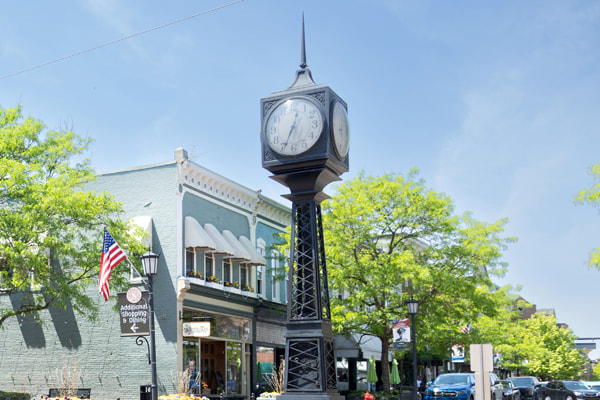
The City of Northville provides a more compact and traditional small-town experience. Many homes are close to downtown Northville, where residents can reach restaurants, shops, public spaces, seasonal events, and community destinations without driving as far.
Housing in the city includes historic residences, early- and mid-century homes, updated properties, newer infill construction, and condominiums. Architecture, lot size, garage space, basement condition, and renovation history can vary significantly from one street to another. Buyers attracted to an older home’s craftsmanship and character should also evaluate roofing, windows, electrical systems, plumbing, foundations, drainage, insulation, and previous improvements.
City lots may be smaller than those found in some township subdivisions, but the tradeoff can be a more connected street pattern and easier access to downtown. Buyers who value sidewalks, neighborhood character, and proximity to community activity may prefer this setting.
Living in Northville Township
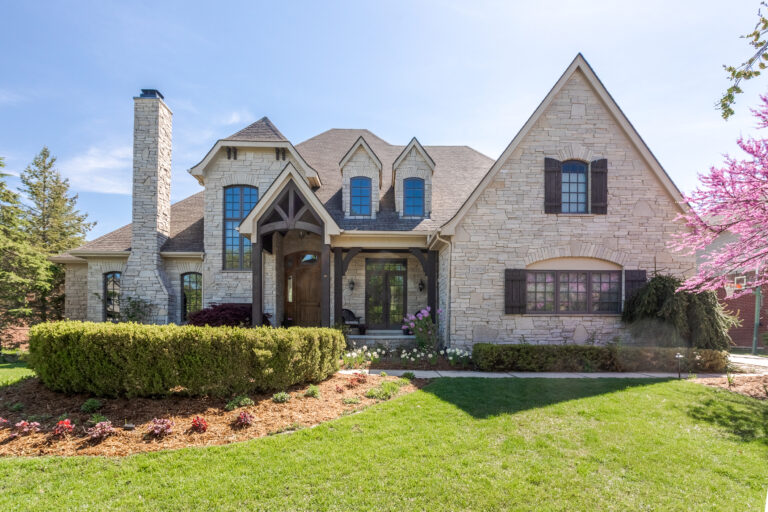
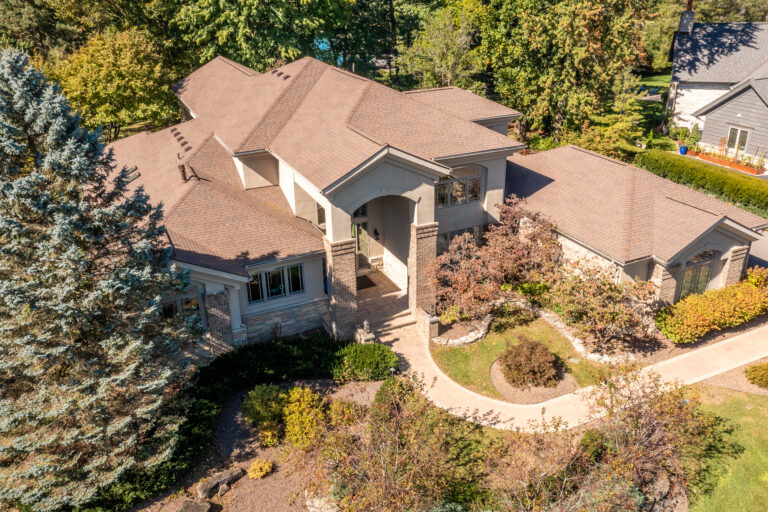
Northville Township is larger and more suburban in character. Buyers can find established subdivisions, newer planned communities, condominiums, ranch homes, executive properties, and luxury developments. Township homes may offer larger floor plans, attached garages, wider lots, modern layouts, and neighborhood amenities that can be harder to find near the center of the city.
The township also offers parks, natural areas, pathways, sports facilities, and access to Maybury State Park. Its location near I-275, M-14, and I-96 can be practical for households commuting to different parts of Metro Detroit or the Ann Arbor area.
Some township communities have homeowners or condominium associations. Before purchasing, buyers should review restrictions, maintenance responsibilities, budgets, reserves, insurance, meeting minutes, fee histories, and pending assessments. Shared amenities such as pools, clubhouses, walking paths, private roads, or landscaped common areas may add value, but they also create ongoing financial and administrative obligations.
Housing Style, Lot Size, and Maintenance
The city-versus-township decision often becomes a choice between two different residential experiences. The city generally offers greater access to downtown and a concentration of older homes with varied architecture. The township generally provides a wider selection of subdivision-style living, newer construction, larger homes, and amenity-oriented communities.
These are broad patterns rather than rules. Buyers can find newer homes in the city and older properties in the township. Lot sizes, sidewalks, road design, association rules, and maintenance needs should be evaluated for the individual property rather than assumed from the municipality alone.
Schools and Shared Community Amenities
Many city and township properties are served by Northville Public Schools, and residents share access to important community resources such as the Northville District Library and joint parks and recreation opportunities. This helps both municipalities feel like parts of one broader Northville community.
However, buyers should never assume a school assignment from the mailing address, municipality, or listing description. Attendance boundaries can differ by exact address and may change. We recommend confirming the district and assigned elementary, middle, and high schools directly with the applicable school district before purchasing.
Property Taxes, Utilities, and Municipal Services
Property taxes and services should be compared property by property. The city and township use different municipal tax structures and operate separate departments for many local functions. Water and sewer arrangements, refuse collection, public safety, road responsibility, building requirements, and other services may also differ.
Buyers should request a current tax estimate based on the anticipated purchase price. The seller’s existing tax bill may not reflect what the new owner will pay after the property’s taxable value is adjusted under Michigan law. It is also important to calculate homeowners insurance, utilities, association fees, maintenance, and expected repairs when comparing the complete monthly cost.
Walkability, Driving, and Commuting
For buyers who want to walk to coffee, dinner, shopping, or community events, a home in or near downtown Northville may offer the clearest advantage. Even within the city, however, practical walkability depends on the property’s exact location, sidewalk connections, crossings, and the buyer’s preferred day to day destinations.
Township residents typically depend more heavily on a car, although many neighborhoods provide sidewalks or pathways. The township can offer convenient access to major roads and freeways, but travel conditions vary with location, construction, school traffic, and commuting hours.
Before making an offer, buyers should test the trip to work, school, shopping, and other frequent destinations at the times they would normally travel. A route that appears easy during a weekend showing may feel different during weekday rush hour.
Which Part of Northville Is Right for You?
The City of Northville may be a strong fit if you prioritize:
- A compact, small-town setting
- Convenient access to downtown dining, shopping, and events
- Historic character and varied architecture
- A more walkable daily routine
- Established streets and mature surroundings
Northville Township may be a strong fit if you prioritize:
- A broader range of subdivision and planned-community options
- Newer homes, larger floor plans, or larger lots
- Parks, pathways, and recreation close to suburban neighborhoods
- Convenient freeway access
- Condominium, executive-home, and luxury-community choices
The best way to compare the two is to tour homes in both municipalities and evaluate the complete lifestyle surrounding each property. Look beyond square footage and finishes to consider taxes, maintenance, municipal services, school assignments, traffic, sidewalks, association rules, and proximity to the places you use most.
Work With a Local Northville Real Estate Team
John Goodman Real Estate has 55+ years of experience helping buyers understand Northville neighborhoods, compare properties, and navigate the details that can influence a purchase. The team’s local knowledge can help you distinguish between city and township listings while evaluating home condition, pricing, taxes, associations, and long-term fit.
Learn more about the Northville community, browse current Northville homes for sale, or speak with experienced Northville Realtors about your home search.