Why Farmington Sellers Are in a Strong Position
Selling a home in Farmington, Michigan, involves more than simply putting a property on the market and waiting for offers. Farmington and Farmington Hills include a wide variety of established neighborhoods, home styles, lot sizes, and price points, which means the strategy that works for one property may not be appropriate for another.
From traditional homes near Downtown Farmington to larger executive properties tucked into established Farmington Hills subdivisions, sellers need to understand how their home fits into the local market. Pricing, preparation, presentation, and marketing should all reflect what makes the property and its location desirable to prospective buyers.
If you are considering selling a home in Farmington, the following steps can help you prepare for the market and position your property for a successful sale.
Selling a Home in Farmington: Quick Takeaways
- Price for your specific market: Your listing price should reflect recent comparable sales, neighborhood, property condition, renovations, lot size, and current competition.
- Prepare before listing: Decluttering, minor repairs, fresh paint, landscaping, and professional photography can help your home make a stronger first impression.
- Understand your neighborhood: Home values and buyer expectations can vary between Farmington, Farmington Hills, and individual subdivisions.
- Market more than the house: Downtown Farmington, established neighborhoods, parks, schools, and convenient Metro Detroit access can all contribute to a property’s appeal.
- Develop a local selling strategy: A Farmington real estate agent can help establish the right price, identify worthwhile improvements, market the property, and evaluate offers.
Why Farmington Sellers Are in a Strong Position
Farmington has several characteristics that continue to make the area attractive to Metro Detroit homebuyers. The community combines established residential neighborhoods with convenient access to shopping, dining, parks, schools, major employment centers, and surrounding cities such as Novi, Northville, Livonia, and Southfield.
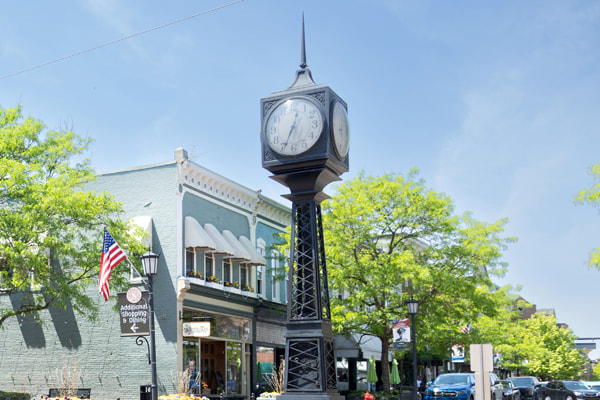
Downtown Farmington is another important part of the area’s appeal. Its restaurants, shops, community events, and walkable setting provide an amenity that many suburban communities cannot easily replicate. Farmington Hills offers additional residential options ranging from traditional ranches and colonials to larger executive homes on wooded lots.
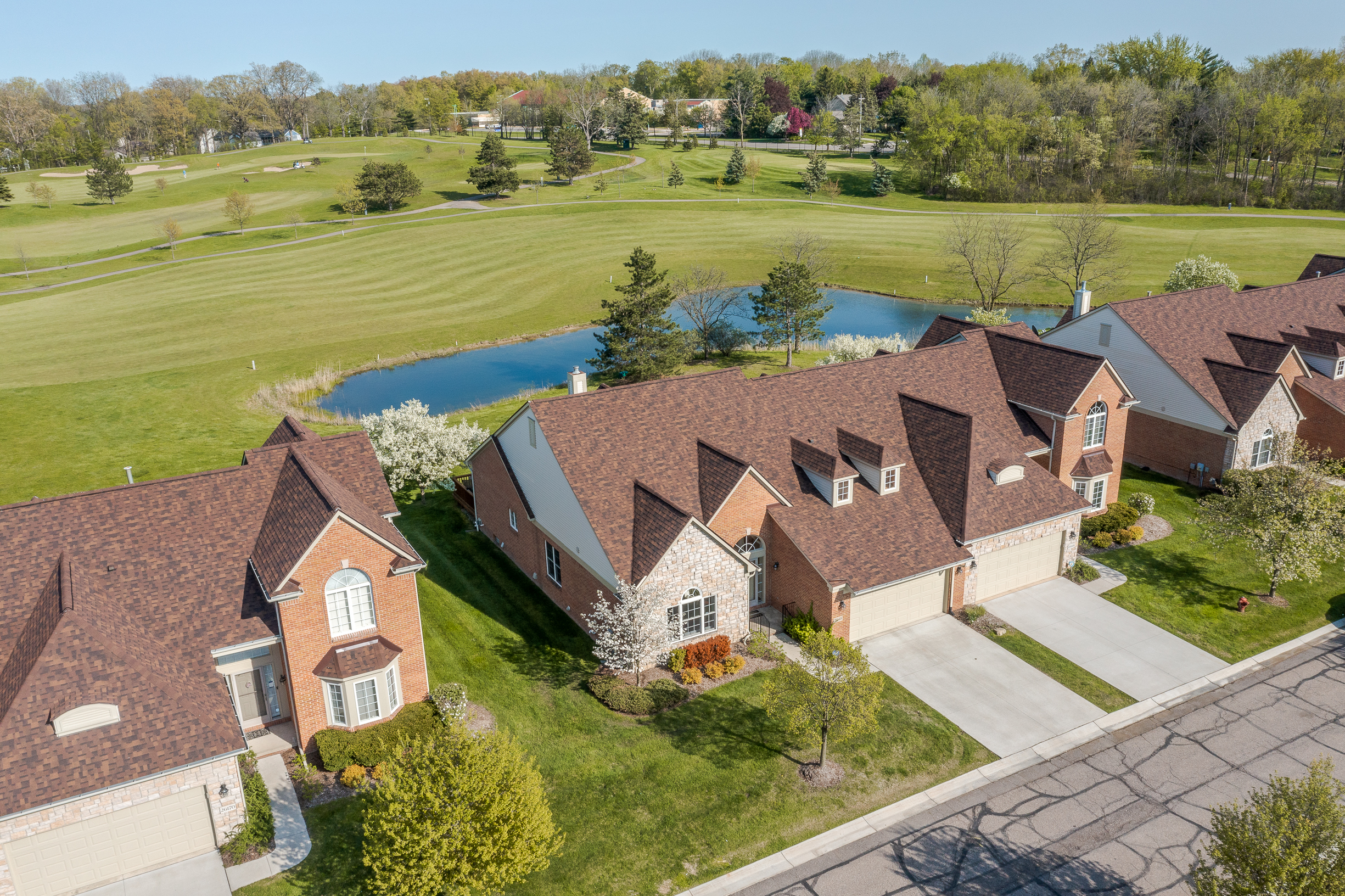
Many of these neighborhoods have matured over decades. Tree-lined streets, established landscaping, larger yards, brick construction, and distinctive architecture can give older Farmington homes advantages that are difficult to reproduce in newer developments.
For sellers, however, a desirable location does not eliminate the need for the right strategy. Buyers compare properties carefully, particularly when homes of similar age can differ significantly in condition, renovations, lot quality, and interior finishes.
What Farmington Buyers Are Looking For
There is no single type of Farmington buyer, and that is one of the reasons sellers benefit from understanding their property’s likely audience before going to market.
Some buyers are attracted to established neighborhoods with mature trees, larger lots, and traditional architecture. Others prioritize renovated kitchens and bathrooms, finished basements, home offices, outdoor entertaining areas, or flexible living spaces.
Location within the Farmington area can also influence buyer priorities. A home close to Downtown Farmington may appeal to someone who values convenient access to restaurants, shops, and community activities. A larger property in Farmington Hills may instead attract buyers focused on privacy, lot size, square footage, and an executive neighborhood setting.
Other features that can strengthen a home’s appeal include:
- Updated kitchens and bathrooms
- Hardwood flooring
- Finished basements
- Home offices and flexible living spaces
- Attached garages
- Well-maintained landscaping
- Patios, decks, and usable backyards
- Spacious primary suites
- Strong curb appeal
- Convenient access to parks, schools, shopping, and major roads
Understanding which of these characteristics matter most for your particular property can help determine how the home should be prepared, photographed, described, and marketed.
Selling a Home in Farmington’s Most Desirable Neighborhoods
Farmington and Farmington Hills contain numerous established subdivisions, each with its own housing characteristics and buyer expectations.
Brookhill Estates is known for custom executive homes, larger mature lots, traditional architecture, and a more private residential setting. Sellers in this type of neighborhood may need a marketing strategy that emphasizes square footage, craftsmanship, property size, and higher-end features.
Farmington Glens offers spacious custom homes, wooded surroundings, and an established executive atmosphere. Privacy, landscaping, interior updates, and entertaining spaces can be particularly important when presenting these properties.
Green Hill features established homes with mature landscaping and classic architectural styles. Many properties have been updated over time, making renovations and condition important factors when comparing competing listings.
Green Valley Estates combines traditional suburban architecture with spacious lots and mature surroundings. Colonial, Cape Cod, and ranch-style homes can appeal to different buyer segments, making property-specific positioning especially important.
Normandy Hills is another established Farmington Hills subdivision characterized by classic homes, mature landscaping, and larger residential lots. Sellers can benefit from highlighting both the home’s individual improvements and the neighborhood’s established character.
Trillium offers a polished residential setting with mature landscaping and traditional home styles. Updated interiors, finished lower levels, and well-maintained outdoor spaces can help distinguish individual properties within the neighborhood.
Other communities, including Hunt Club, Green Hill Woods, and Farmington Ridge, provide additional options for buyers seeking established homes in quiet residential settings.
These differences matter when selling.
A large executive home on a wooded lot should not necessarily be priced, presented, or marketed the same way as a smaller updated ranch closer to Downtown Farmington. Understanding the neighborhood and the buyers most likely to consider it is an important part of developing the right listing strategy.
Price Your Home Strategically
Pricing is one of the most important decisions you will make when selling your Farmington home.
Setting the price too high can reduce early interest and cause a property to sit on the market. Once buyers begin wondering why a home has not sold, even a later price reduction may not generate the same attention the listing received when it first became available.
Pricing too low can create a different problem by potentially leaving money on the table.
The goal is to establish a price that reflects the property’s actual position in the Farmington market.
Important factors can include:
- Farmington versus Farmington Hills location
- Specific neighborhood or subdivision
- Recent comparable sales
- Home size and floor plan
- Lot size and setting
- Property condition
- Kitchen and bathroom renovations
- Finished basement space
- Garage capacity
- Outdoor improvements
- School boundaries
- Proximity to Downtown Farmington
- Current competing listings
Comparable sales should also be evaluated carefully. Two homes with similar square footage may have very different market values when one has been extensively renovated and the other requires substantial updating.
A strong pricing strategy considers these differences rather than relying solely on automated home valuations or broad citywide averages.
Prepare the Home Before Listing
The preparation process should ideally begin before photography or showings are scheduled.
Start by looking at the home from a buyer’s perspective. After living in a property for years, it can be easy to overlook small issues that stand out immediately to someone seeing the home for the first time.
Decluttering and depersonalizing are often good starting points. Buyers should be able to focus on the home’s rooms, layout, natural light, and architectural features rather than personal belongings.
Minor improvements can also make a meaningful difference. Depending on the property, sellers may want to consider:
- Touching up paint
- Repairing damaged trim or drywall
- Replacing outdated or broken fixtures
- Deep cleaning carpets and flooring
- Cleaning windows
- Updating worn cabinet hardware
- Improving lighting
- Organizing closets and storage spaces
- Cleaning and organizing the basement
- Trimming landscaping
- Power washing exterior surfaces
- Improving the front entrance
Kitchens and bathrooms deserve particular attention because buyers often focus heavily on these spaces.
That does not mean every seller needs to undertake an expensive renovation before listing. In many cases, cleaning, decluttering, fresh paint, updated lighting, and relatively inexpensive cosmetic improvements can improve presentation without the cost and uncertainty of a major remodel.
The home’s exterior should receive the same attention. Mature landscaping is one of the appealing characteristics of many Farmington neighborhoods, but overgrown shrubs, neglected garden beds, or damaged exterior features can undermine an otherwise attractive property.
Once the home is ready, professional photography can showcase its strongest features and help create a positive first impression online.
Market the Farmington Lifestyle, Not Just the House
Successful real estate marketing should communicate more than the number of bedrooms, bathrooms, and square feet.
Buyers are also deciding whether they want to live in the community surrounding the home.
Farmington offers several lifestyle advantages that can be incorporated into a property’s marketing when relevant. Downtown Farmington provides restaurants, coffee shops, local businesses, and community events. Heritage Park and other nearby recreational areas offer trails, nature spaces, playgrounds, and opportunities for outdoor activities.
The area’s location also provides convenient access to major Metro Detroit destinations. Routes such as I-696, I-275, and M-5 connect Farmington-area residents with Novi, Southfield, Livonia, Detroit, and other employment and entertainment centers.
But the lifestyle story should always fit the individual property.
A home near Downtown Farmington may be marketed around convenience and access to the city’s restaurants, shopping, and community atmosphere. A wooded Farmington Hills property may instead be positioned around privacy, outdoor space, mature landscaping, and the character of an established subdivision.
The best marketing strategy identifies what makes a particular home distinctive and communicates those advantages clearly through photography, listing copy, digital marketing, and buyer outreach.
Work With a Local Farmington Real Estate Expert
Selling a home is a major financial transaction, and local knowledge can make a meaningful difference throughout the process.
Farmington and Farmington Hills are not uniform real estate markets. Values can change based on subdivision, lot size, home style, condition, renovations, school boundaries, and surrounding amenities. Understanding these differences is particularly important when selecting comparable properties and determining an appropriate listing price.
An experienced local real estate agent can also help determine which improvements are worth making before the home reaches the market, how the property should be presented, and which features should receive the greatest emphasis in the listing.
Once offers arrive, the highest purchase price is not necessarily the only consideration. Financing, contingencies, inspection terms, appraisal requirements, closing timelines, and other conditions can affect the strength of an offer and the likelihood of reaching closing successfully.
John Goodman Real Estate has served buyers and sellers throughout Farmington and Southeast Michigan for decades. Our team combines local market knowledge with professional property marketing, strategic pricing, private showings, and experienced negotiation.
Whether you’re preparing to sell an established home near Downtown Farmington or an executive property in one of Farmington Hills’ sought-after subdivisions, our goal is to help you understand your property’s market position and develop a strategy designed around your specific home.
Contact John Goodman Real Estate online or call (248) 532-0608 to start with a local home value consultation and learn more about your property’s current market position, estimated net proceeds, and the steps you can take to prepare for a successful sale.